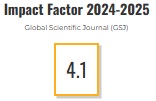
Peer-reviewed international research papers published open-access with EOI assignment and global indexing across engineering, computer science, environmental science, social sciences, and more.
Coffee farming is a vital livelihood for many households in Maramag, Bukidnon, benefiting from favorable climate and fertile soil but challenged by declining soil fertility, climate variability, pests, and resource pressures. Agroforestry, which combines coffee with trees and other crops, offers a sustainable solution by improving soil health, conserving water, reducing erosion, boosting biodiversity, and enhancing climate resilience. However, its adoption depends on farmers’ awareness of its environmental, economic, and social benefits, as well as the obstacles they face. This study uses a descriptive quantitative method, surveying purposively selected coffee farmers in Maramag and analyzing responses with statistical tools to understand their perceptions. Literature shows that while agroforestry supports sustainability and livelihoods, adoption is often hindered by limited knowledge, financial constraints, and delayed benefits. By focusing on local farmer perspectives, this research aims to fill a gap and provide useful insights for policymakers and stakeholders to promote sustainable coffee farming through targeted support programs.
The global energy transition has increased the strategic importance of critical minerals, placing the Democratic Republic of the Congo (DRC) at the center of emerging geo-economic dynamics. This study examines the economic, trade and geopolitical implica-tions of the strategic partnership between the DRC and the United States of America and assesses its potential to support the country's sustainable economic transformation. The research is based on documentary analysis, official bilateral trade statistics covering the period 2014–2025, and an examination of recent cooperation agreements.
The findings reveal a significant expansion of bilateral trade, driven by the growing ex-ports of Congolese critical minerals to the United States, alongside new opportunities for investment, infrastructure development, and technology transfer. The main scientific contribution of this study is the development of an integrated analytical framework com-bining international economics, geo-economics and public policy analysis to assess the conditions under which this partnership can foster the DRC's structural economic trans-formation. The study concludes that the long-term benefits of the partnership will depend on stronger governance, industrialization, the development of domestic value chains and the country's ability to negotiate agreements that promote value addition and sustaina-ble development.
Keywords : The Democratic Republic of the Congo, United States of America, Strategic partnership, Critical minerals Geo-economic, Economic transformation, Sustainable de-velopment.
Henry Chidozie Amah,Roseline Nwanneka Ugwuegbu, Eberendu,Izuchukwu Francis,Magnus C. Nsonwu,Chinedu-Eleonu,P.O. ,Ologode Deborah Oluyinka and Emeka Anikwo.
Abattoirs are major sources of pollutants in cities,when the slaughter wastes are not properly managed and especially discharged into water ways,raising serious public health concerns. The aim of this study was to determine the bacterial profile of the abattoir and their susceptibility pattern to commonly used antibiotics.This study was carried out in Owerri Modern Abattoir located within Owerri metropolis from February to May, 2026.Questionnaires were used to obtain participants' consent, demographic data and sanitary practices in the abattoir. A total of 161 samples were obtained from Slaughter slabs,Butchering tables,Butchering knives,Workers hands, Washing water,Rinsing water,Contaminated Soil,Control soil and Meat. The bacteriological analysis of the samples done using pour plate method. Disc diffusion antibiotic susceptibility testing and minimum inhibitory concentration were performed after colony counting, identification and characterization of the isolates using standard microbiological and biochemical techniques. Mean viable bacterial counts were generally high with highest counts from contaminated soil (6.13x10⁶CFU/ml) and least from workers hands (1.17x10⁶CFU/ml). Escherichia coli had the highest prevalence (18.0%), with the highest counts from soil (3.10%). Vibrio cholerae recorded the least prevalence (0.62%), and was isolated only from washing water. High resistance to antibiotics was observed. The high prevalence of organisms of enteric origin in soil samples was due to indiscriminate dropping of intestinal contents of slaughtered animals on abattoir soil.
Government authority and the general public are advised to ensure adequate environmental sanitation and proper cooking of meat before consumption in order to mitigate the incidence of infection and antibiotic resistance.
This quantitative descriptive survey study aimed to understand how Tabligh, an Islamic movement, affects the lives of Muslims in Guindulungan, Maguindanao del Sur. This research was initiated to provide a deeper comprehension of how Tabligh affects the lives of individuals in this particular area, offering insights into their day-to-day experiences and community interactions. The respondents for the study were composed of 50 individuals from Guindulungan who have experienced Da'wah from Tabligh activities and will be selected purposively. This study employed a self-made questionnaire to measure the impact of Tabligh activities. Researchers in this study followed a systematic process by obtaining permission from the Guindulungan community and reaching out to Tabligh for potential respondents. They ensured informed consent from all participants before administering the questionnaire and collecting completed questionnaires for data collection. Results of the findings are the Social Impact of Tabligh activities had a mean score of 4.42 based on the mean scores, suggesting agreement among participants. With a high mean score of 4.69, the Spiritual Impact was found to have a considerable beneficial influence on spiritual aspects. With a high score of 4.55, the Cultural Impact likewise demonstrated a beneficial influence on cultural practices. The Political Impact score, on the other hand, was lower at 2.14, suggesting that participants disagreed about Tabligh's impact on community political knowledge and involvement.
Keywords: Impact of Tabligh in the Life Aspect of the Contemporary Muslim Communities in Guindulungan
ABSTRACT
No water no life, life is impossible without water and causes death when it is polluted. The objective of this study is to conduct a literature review of KC-Valley and Bhellandur lake status in Bangalore, Karnataka, India. All previous authors whose comprehensive works were collected compiled in a proper manner to help the students, teachers, researchers for further studies. Physicochemical parameters such as Conductivity, Turbidity, Total Dissolved Solids (TDS), Dissolved Oxygen (DO), Hardness, Alkalinity, Phosphate, Nitrate and BOD values are above ISI standards. Other parameters of pH, Potassium, Chloride, Sulphates and COD are above the permissible limit.
Key words: KC-Valley, Bellandhur Lake, Turbity, BOD, COD, TDS
ABSTRACT:
ARCELYN S. KAURAK.
2025. “Childcare Management Challenges and Support Needs of Working Mothers in Maasim, Sarangani Province.” Thesis. Enthusiastic College, Inc., Upper Dinganen, Buldon, Maguindanao. 73pp.
Adviser: MARLON A. MAGLANTAY, Ed.D.
This study examined the childcare management challenges and support needs of working mothers in Maasim, Sarangani Province. It specifically aimed to determine the demographic profile of the respondents, assess the level of childcare challenges experienced, evaluate the availability of support systems, and test the relationships between demographic factors, childcare challenges, and support systems. A descriptive-quantitative research design was employed, utilizing a structured survey questionnaire administered to 50 working mothers selected through convenience sampling. Data were analyzed using frequency, percentage, mean, standard deviation, Pearson correlation, and regression
analysis.
Findings revealed that most respondents were young to early middle-aged mothers, predominantly earning low to moderate income and engaged in formal employment. The majority had multiple children and relied heavily on paid babysitters or informal childcare arrangements. The level of childcare management practices was moderate, indicating that mothers occasionally apply structured strategies in managing work and childcare responsibilities. However, the level of childcare challenges was high, particularly in balancing work and family duties, managing time constraints, and experiencing stress and unexpected childcare demands. Meanwhile, the availability of support systems from family, community, and workplace sources was only moderate, suggesting that existing support is insufficient to fully address the needs of working mothers.
Statistical analysis further revealed significant relationships between the demographic profile of working mothers and the childcare challenges they experience. Likewise, a significant relationship was found between childcare challenges and the availability of support systems. Regression analysis showed
that both childcare management practices and childcare challenges significantly predict the perceived need for a daycare center program, with challenges emerging as the strongest predictor. The model explained a substantial portion of the variance, indicating that these variables meaningfully influence mothers’ perceptions of childcare support needs.
Based on these findings, the study concludes that working mothers in Maasim experience considerable childcare burdens influenced by socioeconomic factors and limited support systems. The results highlight the urgent need for strengthened, accessible, and affordable daycare services, as well as improved community and workplace support structures to help working mothers effectively
balance employment and family responsibilities.
Keywords: Working mothers; childcare management; childcare challenges; support systems; daycare services
Cette étude présente une analyse scientifique des deux architectures d’excitation coexistantes à la centrale hydroélectrique Inga 1 : le système dynamique historique des groupes G13 et G16, fondé sur un générateur à aimants permanents, des ponts redresseurs et une excitatrice à courant continu, et le système statique d’auto-excitation installé sur les groupes réhabilités. La méthodologie combine l’exploitation de relevés de plaques signalétiques, l’interprétation de schémas électriques de terrain, des contrôles de cohérence énergétique et une modélisation conforme aux principes des normes IEEE 421.1, IEEE 421.2 et IEEE 421.5.
Les calculs montrent que la chaîne G13 est énergétiquement cohérente : la dynamo de 315 V et 794 A correspond à environ 250 kW, tandis que la puissance d’excitation du rotor principal est voisine de 204 à 206 kW. Pour le groupe G11 réhabilité, la puissance de champ calculée est d’environ 221 kW.
Le système statique offre une réponse plus rapide, une meilleure intégration des limiteurs et une maintenance mécanique réduite; le système dynamique conserve toutefois l’avantage d’une source d’excitation moins dépendante de la tension terminale lors de certains creux de tension.
Une stratégie d’identification et d’optimisation sous MATLAB/Simulink est proposée, fondée sur les paramètres de la machine synchrone, du régulateur automatique de tension, des limiteurs et, le cas échéant, du stabilisateur de puissance. L’article conclut à la nécessité de tests de réponse indicielle, d’essais en charge et de validation par enregistrements perturbographiques avant toute modification de réglage.
This paper asks whether Saudi Arabia's decision to flood the global oil market in March 2020 was a mathematically dominant strategy given the observed demand shock and production cost asymmetries.
An N-player asymmetric Cournot oligopoly framework, calibrated to empirical data from the 2020 price war, is used. Saudi Arabia and Russia are modelled as strategic core players against a Rest-of-World competitive fringe, with Saudi Arabia's output subject to an assumed physical capacity constraint built into the optimisation.
We estimate a linear inverse demand function using a Two-Stage Least Squares (2SLS) instrumental variable approach to model the simultaneous pandemic-induced demand and supply shocks.
The central finding is that Saudi's flooding strategy was mathematically dominant at the observed 2020 demand parameters. The Cournot-Nash and Stackelberg equilibria converge to the same quantities, capped at Saudi Arabia’s production capacity; whereas Russia's best response is near zero. Given the extreme cost differential ($3/barrel operating or extraction cost for Saudi Arabia versus $40/barrel breakeven cost for Russia), flooding yielded Saudi Arabia strictly higher profits than cooperation regardless of Russia's strategy, while cooperation generated negative profits for Russia under the pandemic-shocked demand curve. The gap between Russia's theoretical near-zero best response and its actual observed output is itself informative, suggesting Russia’s effective short-run shutdown threshold may have been below the fiscal-breakeven figure.
We conclude that the 2020 price war was not political gesturing but a consequence consistent with the model, given the cost asymmetry and capacity constraints interacting with the specific demand conditions produced by COVID-19.
Hypertension remains a major global cause of cardiovascular morbidity and mortality, yet optimal blood pressure (BP) control is often hindered by poor medication adherence, unhealthy lifestyles, low health literacy, and psychosocial factors, all of which impair quality of life (QoL). Structured counselling offers a patient-centred complement to pharmacotherapy by improving disease knowledge, promoting self-management, and sustaining behavioural change. This narrative review synthesised evidence from peer-reviewed literature (2021–2026) and key international guidelines to assess counselling's impact on medication adherence, lifestyle modification, BP control, and QoL. Findings show that structured counselling significantly enhances adherence, health literacy, healthy practices, and self-efficacy. Multidisciplinary delivery involving physicians, nurses, pharmacists, and community health workers consistently improved BP outcomes and patient-reported QoL, partly by reducing psychological distress and fostering active care participation. However, evidence from sub-Saharan Africa, including Nigeria, remains scarce, underscoring the need for implementation research. Overall, counselling is an evidence-based, cost-effective strategy that should be integrated into routine hypertension management. Strengthening counselling within primary healthcare, especially in low- and middle-income countries, may improve treatment adherence, sustained BP control, and QoL and reduce the overall hypertension burden.
Classroom discourse provides valuable opportunities for students to explain, justify, question, and connect mathematical ideas, thereby shaping their dispositions and sense of competence. Yet, the existing literature often lacks a comprehensive examination of how discourse intersects with diverse identity markers and tends to focus predominantly on verbal communication. This systematic review contributes to scholarly conversation by analyzing studies of mathematics discourse in elementary classrooms published between 2014 and 2024. Through a search of the ERIC (ProQuest) database and the E-Journal search for Research in Mathematics Education, 16 empirical studies conducted in the United States were reviewed. The analysis revealed that most studies were grounded in sociocultural and constructivist theories, emphasizing discourse as a tool for knowledge construction through social interaction. Methodologically, the review highlights a strong prevalence of qualitative approaches, utilizing data sources like video recordings and interviews to capture the complexities of classroom discourse. The implications of this review underscore that discourse is a critical tool for knowledge construction in elementary mathematics, with its effectiveness depending on how teachers orchestrate it to provide equitable opportunities.
Le nouveau management public exige que les entreprises publiques adoptent des outils et méthodes de gestion permettant de rationaliser toutes les décisions stratégiques et opérationnelles pour les rentabiliser et pérenniser dans un contexte complexe et incertain. Dans le cadre des formations sanitaires publiques (FOSAP), les parties prenantes ont mis en place un mécanisme de financement basé sur le résultat assorti des impératifs de rentabilité. Environ trois après l’adoption généralisée de ce mécanisme en contexte camerounais, il devient opportun d’évaluer cette modalité innovante en lien avec les indicateurs de performance. Dès lors, cette recherche vise à comprendre comment les reformes managériales dues à la mise en place du financement basé sur le résultat contribuent à améliorer la performance financière des FOSAP. Pour atteindre cet objectif, une approche complémentaire fondée sur une posture constructiviste est adoptée. Pour collecter les données au traitement de la problématique, des données primaires sont collectées auprès d’un échantillon de 40 formations sanitaires. A ces données primaires, l’exploitation des bases de données du ministère de la santé nous ont permis de collecter les données secondaires concernant les indicateurs de la performance de 120 FOSAP.
Les résultats issus des analyses effectuées à partir du logiciel Nvivo, montrent que les indicateurs de performance financière se sont substantiellement améliorés. L’analyse des données qualitatives révèlent que cette amélioration est soutenue par les innovations managériales adoptées par ces FOSAP. Les résultats mettent en exergue le rôle disciplinaire de gouvernance en matière de création de valeur et de mangement de l’entreprise publique.
Inflation is an important indicator of a nation's welfare and has become one of the major economic challenges globally, especially in Ethiopia. Several studies forecasted inflation in Ethiopia using traditional models, as accurate forecasts contributed to a more stable economic environment, even though forecasting with traditional models was challenging. Thus, this study aimed to model and forecast headline inflation in Ethiopia using a machine learning approach. The study was based on secondary data obtained from various inflation-related organizations. The data were transformed, standardized and split into training and testing sets to enhance the forecast accuracy of both the machine learning. The selected models were evaluated based on performance evaluation criteria, including RMSE, MAE, and MAPE tests. The finding revealed that food inflation, non-food inflation, export and import prices of goods and services, political stability index, exchange rate, numbers of vehicles, rainfall, world oil price, gross domestic fixed investment, unemployment rate, T-bill sales, agricultural production price were predictors significantly determine the headline inflation in Ethiopia. Among various forecasting methods, a specific ANN architecture called NNAR outperformed Ridge regression, LASSO, Elastic Net, Random Forest, and even the benchmark model in terms of accuracy for both in-sample and out-of-sample inflation forecasts in Ethiopia with lowest RMSE, MAE and MAPE. Finally, this study recommended that policymakers, financial analysts, investor and stakeholders should give attention to the identified drivers of headline inflation and consider using advanced machine learning models.
Access to clean cooking energy remains a critical, unresolved challenge across sub-Saharan Africa, where roughly 900 million people rely on polluting biomass fuels despite rising urbanization and incomes. In Rwanda, the paradox is acute: electricity access has reached about 47% of households, yet wood fuel dependence has, contrary to policy targets, risen to an estimated 93%, exposing a persistent gap between fuel access and sustained adoption. This study examined the socio-economic factors influencing clean cooking energy (CCE) adoption among urban households in Jabana Sector, Gasabo District, City of Kigali, guided by three objectives: assessing households' socio-economic factors, determining the level of CCE adoption, and analyzing the relationship between these factors and adoption. A cross-sectional mixed-methods design was used, drawing on a structured survey of 412 households selected through multi-stage stratified random sampling, complemented by five Key Informant Interviews. Data were analyzed using frequencies, Chi-square tests, Pearson correlation, and binary logistic regression. Charcoal remains the dominant fuel (48.1%), only 40.5% of households use LPG or electricity as their primary fuel, and 78.2% practice fuel stacking. Monthly income (χ²=60.914, p<0.001), occupation (χ²=65.947, p<0.001), and education (χ²=56.219, p<0.001) were significantly associated with adoption. Logistic regression (McFadden R²=0.451, n=405) identified perception as the strongest independent predictor (OR=4.189, p<0.001), surpassing income (OR=2.370, p<0.001), while perceived LPG unaffordability reduced adoption odds (OR=0.307, p<0.001). The study concludes that Jabana's clean cooking transition is simultaneously economic, attitudinal, and structural, and cost-focused interventions alone are insufficient, offering actionable evidence for Rwanda's policymakers aligned with Vision 2050 and SDG 7.
E-participation platforms provide accessible channels for information sharing, stakeholder consultation, collaboration, and public engagement in planning. This study employed a quantitative descriptive research design to assess stakeholders’ awareness of digital participation platforms, their perceived usefulness, and their role in promoting collaboration and public engagement for sustainable ecotourism development in Caraga, Davao Oriental. Data were gathered from 55 qualified respondents through a structured online questionnaire disseminated using Google Forms and were analyzed using frequency, percentage distribution, weighted mean, and composite mean. The findings revealed a very high overall level of perceived effectiveness, with an overall composite mean of 4.55. Perceived usefulness obtained the highest composite mean of 4.68, followed by collaboration and public engagement at 4.62 and awareness at 4.35. Although respondents strongly recognized the benefits of digital platforms, comparatively lower awareness was observed regarding where formal online consultation announcements could be accessed. The findings suggest that the Municipal Tourism Office and LGU Caraga should improve the visibility of consultation opportunities, strengthen two-way communication, and inform stakeholders how public feedback is incorporated into ecotourism planning decisions.
Ethical project management practices are critical for the sustainability of water supply and sanitation projects, ensuring long-term functionality and community ownership. In Musanze District, premature system failures and low community engagement remain persistent challenges despite national initiatives under Vision 2050 and NST1. This study examined the effect of project management ethics specifically accountability, equity, championing stakeholder rights, and professional integrity on the sustainability of water supply and sanitation projects in Musanze District, Rwanda. The study was grounded in Ethical Leadership Theory, Sustainability Theory, and Stakeholder Theory. A descriptive and correlational research design was adopted, combining quantitative questionnaires and qualitative interviews. The target population comprised 1,203 stakeholders, and a sample of 291 respondents was drawn using stratified, purposive, and simple random sampling. A pilot test of 29 respondents confirmed instrument reliability (Cronbach's Alpha = 0.81) and validity (CVI = 0.80). Data were analyzed using descriptive statistics, Pearson correlation, and regression analysis in SPSS version 28 at α = 0.05. A 100% response rate was achieved. The results rejected all four null hypotheses: H0₁ (accountability, R² = 0.707, p = 0.000), H0₂ (equity, R² = 0.643, p = 0.000), H0₃ (championing stakeholder rights, R² = 0.192, p = 0.000), and H0₄ (professional integrity, R² = 0.282, p = 0.000). The combined model explained 79.5% of the variation in project sustainability (R² = 0.795, F = 285.154, p = 0.000), with accountability as the strongest predictor (β = 0.498). The study concludes that integrating accountability, equity, stakeholder rights, and professional integrity into project management significantly enhances the sustainability of water supply and sanitation projects in Musanze District.
Keywords: Project management ethics, Accountability, Equity, Stakeholder rights, Professional integrity, Sustainability, Water supply and sanitation projects.
ABSTRACT_x000D_
This study, entitled “The Socio-Economic Impact of Urban Green Spaces on Residential Property Markets in Kigali City (2017–2023)” was conducted to evaluate how urban green spaces (UGS) influence residential property values in a rapidly urbanizing African city. The research was guided by three specific objectives: to assess how UGS contribute to neighborhood desirability and social cohesion; to analyze how the size, quality, and accessibility of green spaces affect residential property prices; and to examine the correlation between proximity to green spaces and property market dynamics in Kigali. A mixed-methods research design was adopted, combining descriptive, correlative, qualitative, and quantitative approaches. Primary and secondary data were collected using structured questionnaires distributed to residents living near green spaces, interviews with urban planners and real estate professionals, and spatial data obtained through Geographic Information Systems (GIS). Data analysis was performed using SPSS and GIS tools, and the results were presented through both descriptive and inferential statistics. The findings revealed a strong and positive correlation between proximity to green spaces and residential property prices, indicating that properties located closer to well-maintained green areas such as Nyandungu Wetland Eco-Park and Kigali Golf Resort & Villas tend to have higher market values. Furthermore, the study found that urban green spaces significantly enhance neighborhood attractiveness, support social cohesion, and promote environmental sustainability. A majority of respondents expressed a strong preference for living near green spaces or investing in residential apartments located close to UGS, emphasizing the high value they place on these amenities. Despite these benefits, the study also identified challenges, including unequal distribution and limited accessibility to green spaces in lower-income neighborhoods. Based on these findings, the study recommends that urban planners and policymakers prioritize equitable access, inclusive design, and effective management of green spaces to fully realize their socio-economic and environmental benefits. The results provide valuable insights for city authorities, real estate developers, environmental policymakers, and future researchers interested in the role of green infrastructure in sustainable urban development._x000D_
_x000D_
Keywords: Urban Green Spaces (UGS); Residential Property Values; Socio-Economic Impact; Environmental Sustainability; Urban Planning; city of Kigali.
ABSTRACT
This study assesses the physical condition, cultural relevance, and conservation status of selected national monuments in Bauchi and Plateau States, Nigeria. National monuments, as tangible representations of a people's historical and cultural memory, perform cognitive, emotional, symbolic, and pragmatic functions. Despite their significance, many of these heritage resources are threatened by deterioration, neglect, inadequate conservation policies, low public awareness, and environmental challenges. A mixed-method research approach was adopted, combining field observations, questionnaire surveys, interviews, and documentary sources. The monuments investigated include the First Tin Mining Beacon at Tilden-Fulani, Shadawanka Rock Paintings, Gidan Madaki at Kafin Madaki, Kwandon Kaya (Panshanu Stone Heap), Shira Rock Paintings, and the ancient stone causeways of Butura, Forof, and Tadding. The study examined the demographic characteristics of stakeholders and host communities to determine levels of awareness, cultural attachment, and conservation attitudes. Findings reveal that although the monuments possess considerable historical and cultural value, they remain largely under-preserved and under-utilized. The study underscores the urgency of strengthening heritage education, community participation, institutional intervention, and sustainable tourism development as key strategies for safeguarding Nigeria's cultural heritage. The research contributes to current debates on heritage management and provides practical guidance for policymakers, heritage professionals, and host communities.
This study underscores the strategic valorization of problematic agricultural wastes into high-value functional materials by comprehensively evaluating the physicochemical, spectroscopic, and microstructural properties of five distinct biochars: corn stalk biochar (CSB), corn cob biochar (CCB), Giza 86 cotton stalk biochar (CS-G86B), Giza 95 cotton stalk biochar (CS-G95B), and date pit biochar (DPB). Thermal conversion effectively transformed these residues into highly stable, alkaline carbon matrices, driven by successful organic devolatilization and the concentration of essential mineral phases (SiO and KCl). Ultimate analysis confirmed exceptional carbon sequestration potential, with carbon content exceeding 80% in DPB and CS-G95B. X-ray diffraction (XRD) and Fourier Transform Infrared (FT-IR) spectroscopy proved that the resultant biochars possess a powerful dual-nature framework: a dominant amorphous carbon structure providing extensive surface area, coexisting with microcrystalline graphitic domains and an abundance of oxygen-containing functional groups (C=O, COOH, and OH). These surface moieties shift toward highly stable graphite complexes (at 1620 cm-1 in CSB), which are critically responsible for heavy metal chelation and environmental decontamination. Scanning Electron Microscopy (SEM( unveiled highly sophisticated, feedstock-specific porous architectures that dictate the biochars' performance: a highly open, honeycomb macro-porous network in corn-based biochars optimizes capillary fluid transport and nutrient retention ; rigid, continuous-channel scaffolding in cotton stalk biochars ensures excellent mechanical stability ; while date pit biochar develops an ultra-dense, micro-fissured micro porous matrix ideal for high-capacity molecular adsorption. Although the biochars retain inherent heavy metals, their advanced surface chemistry and porous networks effectively immobilize these contaminants, neutralizing environmental leaching risks. Ultimately, this research establishes a strategic blueprint for targeted applications: leveraging CCB and CSB for rapid-kinetics wastewater treatment, while deploying cotton and date pit biochars as superior soil amendments for acidity remediation, potassium cycling, and long-term carbon capture.
This study examined the simultaneous and partial effects of personal (X1), social (X2), psychological (X3), fish freshness (X4), and economic (X5) factors on consumer purchasing behavior at Wanareja Market, Cilacap Regency. A quantitative associative approach was applied using structured five-point Likert questionnaires administered to 102 consumers selected through accidental sampling. Ordinary Least Squares (OLS) regression initially indicated heteroscedasticity, with the Glejser test showing a significant violation for the fish freshness variable (p = 0.025). Therefore, statistical inference was corrected using the HC3 Robust Standard Error estimator implemented in Python's statsmodels library. The Robust Wald F-test showed that the five independent variables jointly had a significant effect on consumer purchasing behavior (F = 117.408, p < 0.001), explaining 80.32% of the variance (Adjusted R² = 0.8032). Partially, only the personal factor significantly and positively influenced consumer behavior (β = 0.5327, p < 0.001). The standardized beta coefficient (β = 0.6344) identified personal preference, con-sumption habits, healthy lifestyle orientation, and previous purchasing experience as the dominant determinants of purchasing behavior. In contrast, social, psychological, fish freshness, and economic factors showed no significant partial effects. These findings suggest that increas-ing fish consumption should prioritize strengthening consumers' dietary habits and preferences through nutrition education, family-based campaigns, and maintaining product freshness in traditional markets.
This article explores the development of a virtual reality-based cross-platform application aimed at supporting computer science education through a virtual museum dedicated to the evolution of computers. The work seeks to address educational needs by providing a more interactive and im-mersive approach, enabling students to explore history and technological advancements in an in-novative way. The application is designed to be accessible across various devices—such as smartphones, tablets, and computers—ensuring broader reach and inclusivity.
Abstract
Bots use social media to disguise themselves among genuine users and form heterogeneous relationships contrary to the homophily principle, which forms the backbone of Graph Neural Networks. We present AdaRelBot – a graph transformer-based Twitter bot detection system, that takes into account quality of edges while reasoning. For each follow relation we compute cosine-similarity edge features based on profiles and recent tweets, providing the attention mechanism with explicit indication of reliability of the neighboring node. Dual head classifier combines classical multi-layer perceptron with a prototype-calibrated head by means of per-node learned gate allowing the model to rely on the similarity between class directions in cases of noisy embeddings. Training of the system is stabilized with Focal loss due to human-bot imbalance. In experiments on TwiBot-20 benchmark dataset, AdaRelBot reaches 86.37% accuracy and 88.10% F1-score. On Cresci-15 benchmark dataset, the same system shows 99.17% accuracy in standard train-test setting and 96.15% accuracy in leave-one-group-out setting, where text leakage across groups is not allowed. Prototype calibrated head appears to be a key component behind the system robustness, and analysis of the learned gate shows strong correlation with heterophily of the nodes, proving the gate to assign more MLP capacity to structurally heterogeneous neighborhoods.
Keywords: Twitter Bot Detection, Graph Transformers, Heterophily, Graph Neural Networks, Prototype Learning, Social Media
Cet article analyse les effets des risques d’escalade de la guerre au Moyen-Orient sur les marchés financiers mondiaux et leurs implications économiques au cours de la période 2023-2026, en s’appuyant sur la théorie de l’efficience des marchés financiers; la théorie de l’incertitude et de l’aversion au risque ainsi que à la théorie des chocs exogènes, l’étude montre que l’intensification des tensions géopolitiques a considérablement accru l’incertitude internationale, car la progression de l’indice de risque géopolitique (GPR) s’est traduite par une hausse de la volatilité des marchés financiers; des fluctuations des prix du pétrole et une réallocation des capitaux vers les actifs refuges, notamment l’or; le dollar américain et les obligations souveraines.
Les résultats montrent également que les conséquences de ces tensions dépassent le cadre financier et affectent l’économie mondiale, la hausse des prix de l’énergie et des coûts logistiques a renforcé les pressions inflationnistes; réduit l’attrait pour le risque et ralenti les perspectives de croissance. Malgré une certaine résilience des principaux indices boursiers, l’interconnexion des marchés financiers favorise une transmission rapide des chocs géopolitiques, et l’étude souligne ainsi la nécessité de renforcer la surveillance des risques géopolitiques; de diversifier les sources d’approvisionnement énergétique et d’améliorer les stratégies de gestion des risques afin de préserver la stabilité financière internationale.
Intratumoral heterogeneity is a defining feature of cancer, yet the extent to which malignant cell states are conserved across patients remains incompletely understood. In this study, we analyzed single-cell RNA sequencing data from melanoma tumors to characterize transcriptional heterogeneity and its recurrence across individuals. Focusing on malignant cells, we performed integrative clustering to identify shared transcriptional states across tumors.
Integration of tumor samples revealed a set of recurrent malignant cell states that were consistently observed across patients. Differential expression analysis identified distinct transcriptional programs associated with each state, including proliferative, stress-related, and immune-associated signatures. To quantify cross-patient conservation, we introduced a recurrence framework that measures the prevalence of each state across tumors using an abundance threshold. This analysis revealed a hierarchical organization of malignant cell states, comprising highly recurrent core programs present in all tumors, as well as moderately recurrent and rare states with more variable representation.
Highly recurrent states were associated with fundamental tumor cell functions, suggesting conserved biological programs underlying melanoma progression. In contrast, less recurrent states likely reflect context-dependent adaptations or tumor-specific interactions with the microenvironment. Importantly, permutation-based statistical analysis demonstrated that only a subset of states exhibit recurrence beyond random expectation. Notably, the most significantly conserved state was enriched for immune-related pathways, suggesting that tumor–immune interaction programs may represent key shared features across melanoma patients. Together, these findings provide a quantitative and functional framework for interpreting intratumoral heterogeneity and distinguishing conserved malignant programs from context-dependent, patient-specific states at single-cell resolution.
This research presents a comprehensive analysis comparing the mechanical strength of concrete reinforcing steel based on the latest SNI 2052:2024 standards with structural bamboo materials as an eco-friendly alternative in sustainable construction. Steel provides absolute isotropic mechanical reliability, precise yield stress, and high ductility capacity to withstand extreme seismic loads; however, its metallurgical process generates massive carbon dioxide emission footprints and consumes energy exponentially. Conversely, bamboo, particularly species such as Petung and Ori Bamboo, demonstrates a longitudinal tensile strength at its outer fibers capable of exceeding the 300 MPa to over 400 MPa range, competing directly with the yield limit of medium-grade steel. Furthermore, specific strength evaluation (strength-to-weight ratio) reveals that bamboo's tensile efficiency is five to eight times higher than that of conventional construction steel. Despite its immense substitution potential, the implementation of bamboo faces inherent physical and structural constraints, including elastic modulus discrepancy leading to deflection, hygroscopic shrinkage, and orthotropic thermal expansion instability resulting in bond-slip weakness within the concrete matrix. Ecologically, the gradual transition towards bamboo- reinforced concrete offers a carbon-negative civilizational instrument, rendering it a highly functional innovative solution for light-to-medium scale civil infrastructure elements, rigid pavements, and sustainable projects in developing nations.
Keywords: Structural Bamboo, Concrete Reinforcing Steel, SNI 2052:2024, Tensile Strength, Sustainable Construction.
This article examines the role of notarial protection in ensuring the security of real estate transactions under Congolese law. It addresses the central question of whether notarial intervention effectively guarantees legal certainty in a context marked by persistent land disputes and irregularities, despite the formal authentication of legal documents.
The study aims to determine whether notarized real estate sale agreements constitute reliable and sufficient evidence in the event of litigation, and to assess the practical role of the notary in preventing property-related conflicts in the Democratic Republic of the Congo. To this end, it adopts a doctrinal legal methodology, based on the analysis of relevant legislation, particularly Law No. 16/012 of 15 July 2016 on the notarial profession. This approach is complemented by qualitative data gathered through open-ended interviews with a legal practitioner, enabling a comparison between legal theory and practice.
The findings reveal that notaries play a crucial role in securing transactions by verifying the identity and legal capacity of the parties, the validity of property titles, and conferring strong evidentiary value on notarized instruments. However, this protection remains limited, as definitive proof of ownership is established by the land registration certificate issued by the registrar. The study concludes that the effectiveness of notarial intervention depends on professional diligence and strict compliance with legal procedures
Solid waste generation continues to increase due to population growth and urbanization, posing significant environmental and public health concerns and highlighting the need for effective solid waste management. Despite the enactment of the Ecological Solid Waste Management Act of 2000, information regarding community awareness and waste management practices in San Fernando, Bukidnon remains limited. This study assessed residents' awareness of the Act, identified their primary sources of information, evaluated their solid waste management practices, and determined the challenges affecting its implementation. A descriptive quantitative survey design was employed using a structured questionnaire ad-ministered to selected residents of San Fernando, Bukidnon. Results showed that eighty-four percent (84%) of the respondents were aware of the Ecological Solid Waste Manage-ment Act of 2000. The internet was the primary source of information, accounting for fifty-two percent (52%) of responses, followed by posters and symposiums. Waste segregation was the most commonly practiced solid waste management activity, reported by seventy percent (70%) of the respondents. Recycling followed at twenty percent (20%), while com-posting, at five percent (5%), was the least practiced. In contrast, the most commonly identified challenge was the lack of waste management infrastructure, reported by thirty-eight percent (38%) of the respondents, consistent with findings from similar studies conducted in the Philippines. These findings provide baseline information that may guide the Local Government Unit of San Fernando in strengthening waste management infrastructure, enhancing community awareness, and improving compliance with the act.
This study investigated the environmental and socio-economic impacts of small-scale mining activities at the Mburabuturo site in Ngororero District, Rwanda. Utilizing a mixed-methods research design, data were collected through quantitative household surveys (n=250), structured stakeholder interviews, and laboratory analysis of soil and water samples. The research was conceptually anchored in environmental degradation theory and the sustainable livelihoods framework. Empirical findings revealed severe localized environmental degradation. Water sampling from the mining-affected Kiruhura River demonstrated critical heavy metal contamination, with concentrations of lead, cadmium, and chromium exceeding World Health Organization (WHO) safety limits by 58, 24, and 34 times, respectively. Furthermore, 62% of survey respondents identified accelerated soil erosion, and 54% reported severe agricultural fertility loss linked to proximate extraction zones. Socioeconomically, a dualistic pattern emerged: while 72% of local participants realized immediate employment benefits averaging 75,000 RWF/month, 68% experienced a concurrent decline in subsistence crop yields, and 58% reported mining-related health disorders. Linear regression models established that closer spatial proximity to mining operations significantly reduces agricultural household income. It is concluded that improper waste management and weak regulatory oversight within the artisanal sector create severe ecological liabilities that offset local financial gains and threaten long-term community resilience. The study recommends the immediate enforcement of 500-meter ecological buffer zones, formalization of artisanal mining practices into cooperatives, and the institutionalization of community-led environmental monitoring systems to balance rural economic growth with sustainable resource management.
Epilepsy is a neurological disorder with recurring seizures due to irregularities in electrical activity within the brain. The correct analysis of electroencephalogram (EEG) signals plays a vital role in diagnosis and risk stratification. In this paper, an explainable comparison is made between classical machine learning and lightweight deep learning models for risk stratification of epilepsy through EEG data using the Bonn University EEG dataset with 500 EEG samples of five neurological classes (F, N, O, S, and Z). After preprocessing the signals, different features, including statistical, frequency, and wavelet, were derived from the EEG samples to describe them. Four classical machine learning methods, including Logistic Regression, Support Vector Machine (SVM), Random Forest, and Extreme Gradient Boosting (XGBoost), have been compared with two lightweight deep learning models, i.e., Lightweight Convolutional Neural Network (CNN) and CNN-Bidirectional Long Short-Term Memory (CNN-BiLSTM). Accuracy, Precision, Recall, F1-score, Receiver Operating Characteristic Area Under the Curve (ROC-AUC), Cohen's Kappa, and Matthews Correlation Coefficient (MCC) have been used to evaluate the model performance. It has been observed that Random Forest achieves the best classification accuracy (88%), followed by XGBoost (85%), Lightweight CNN (83%), CNN-BiLSTM (75%), Logistic Regression (50%), and SVM (39%).
Climate change has increased flood risks, highlighting the need for climate-resilient land use planning. This study integrated Geographic Information System (GIS)-based flood hazard assessment and land suitability analysis to support sustainable land use planning in the Municipality of Tubod, Lanao del Norte. Specifically, it assessed flood hazard distribution, evaluated physical factors affecting land suitability (elevation, soil pH, road accessibility, and rain-induced landslide susceptibility), examined the relationship between flood hazards and existing land use, integrated multiple GIS datasets to identify suitable development areas, and developed GIS-based planning recommendations for updating the Comprehensive Land Use Plan (CLUP). A descriptive spatial analytical approach was employed using secondary geospatial datasets processed through GIS overlay analysis. Results showed that flood-prone areas are concentrated in the northwestern lowlands, while landslide susceptibility is highest in the southeastern uplands. The integrated analysis identified areas suitable for future development with minimal hazard exposure. The study demonstrates that GIS-based spatial analysis provides an effective decision-support tool for evidence-based, climate-resilient land use planning and local development planning.
The study examined the effectiveness of peer tutoring on reading comprehension among the Grade e learners in Indigenous communities under the SBs program in Nuro Central Elementary School, Upi, Maguindanao del Norte. Using a pretest and post-test randomized control group design, the study involved 44 respondents, divided into a control and experimental group. A validated reading comprehension test questionnaire covering main idea, topic sentence, synonyms, antonyms, verbs and linking words was administered before and after the intervention. Descriptive statistics and paired sample t-test were used to analyzed the data. Result revealed that during the pretest, most of the learners demonstrated moderate reading comprehension, with a considerable number performing at the low level. After implementing peer tutoring, no learner remained in the lowest performance category, and higher level scores increase significantly. The paired sample t-test and the post-test scores, indicating that peer tutoring significantly improved learner’s reading comprehension. The findings support the effectiveness of peer-assisted learning strategies and highlight their potential as a low-cost, scalable intervention to address literacy gaps in resource-limited and culturally diverse educational settings.
Keywords: Peer Tutoring, Reading Comprehension, 5Bs Program, Indigenous Learners, Learning Recovery, Elementary Education
No papers found matching your search. Try a different keyword.
Published papers are indexed in
Submissions Open
See Your Research in the Next Edition
Join thousands of researchers published in GSJ. Submit your manuscript — peer review in 1–3 days, open access publication, EOI assignment, and global indexing across 150+ countries.