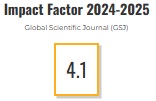
Peer-reviewed international research papers published open-access with EOI assignment and global indexing across engineering, computer science, environmental science, social sciences, and more.
Vaccine hesitancy (VH) in adolescents is a major health concern in communities. World Health Organization (WHO) defines VH as ‘‘delay in acceptance or refusal of safe vaccines despite availability of vaccination services’’[1]. VH in adolescents can have huge health impacts. It not only affects the health and well-being of an individual but can have far-reaching effects on the general population. In this article, we reviewed factors contributing to VH, the health and economic impacts it can have on a community, and ways to address these. If we can improve vaccination rates in our adolescent age group, we will be able to help improve the health of our communities in the long run. Education, parental consent, access to vaccinations play key role in determinants of vaccination rates in this age group. Schools can have a big impact in improving vaccination rates by providing resources, awareness and education to this vulnerable age group.
Predictive maintenance has emerged as one of the most practical applications of Internet of Things (IoT) technologies in the built environment, particularly in facilities where downtime, energy waste, and equipment instability carry high operational costs. In recent years, research in this area has moved beyond simple monitoring and alarm systems toward integrated frameworks that combine sensor networks, building automation systems, cloud-based data handling, and machine-learning models capable of anticipating failures before they become disruptive. This literature review examines the current state of IoT-enabled predictive maintenance in critical facilities, with particular attention to heating, ventilation, and air-conditioning (HVAC) systems, energy-intensive assets, and the practical barriers associated with implementation in real buildings. The review identifies a consistent pattern across the literature: the technical feasibility of predictive maintenance is well established, but its successful deployment depends on data quality, interoperability between platforms, and alignment with maintenance workflows. The article also argues that predictive maintenance should be viewed not as an isolated digital feature, but as part of a broader facilities strategy linking reliability, energy efficiency, lifecycle management, and infrastructure resilience. This perspective is particularly relevant for critical facilities in Brazil and the United States, where aging assets, increasing energy demands, and climate-related operational stresses are pushing facility managers toward more data-driven maintenance models.
Cet article analyse les formes de violences subies et les ressources de résilience mobilisées par les femmes victimes durant la période périnatale. L'enquête est réalisée dans les services de santé maternelle des hôpitaux généraux de référence et à l’Hôpital du cinquantenaire de Kisangani dans la province de la Tshiopo en République Démocratique du Congo. L’approche transversale a permis de mener cette étude auprès de 178 femmes en consultations prénatales et postnatales. Les données ont été collectées à l’aide d’un questionnaire d’exposition à la VBG et de l’échelle de résilience de Connor et Davidson (CD-RISC-25). Les analyses statistiques comprenaient des statistiques descriptives, un test t et une analyse de variance à mesure répétées.
Les résultats de l'étude montrent que la violence psychologique est la forme la plus fréquente (85,9 %), suivie du déni des ressources (52,2 %), de la violence physique (43,3 %) et des violences sexuelles. L’analyse des facteurs de résilience a montré que le contrôle émotionnel (Moy = 19,24) constitue la ressource la plus mobilisée que d’autres, suivi de l’efficacité personnelle (Moy = 14,81) et de la capacité à rebondir (Moy = 14,69), avec des différences statistiquement significatives (p < 0,006) entre les dimensions de résilience. Ces résultats indiquent que, malgré une forte exposition à la violence, les femmes mobilisent des ressources psychologiques importantes favorisant leur adaptation. Ceci préconise la nécessité d’intégrer le dépistage de la VBG, l’évaluation de la résilience au niveau des soins périnataux et de développer des interventions psychosociales centrées sur les forces adaptatives.
Le présent travail , télétravail et bureaux met en question , l'influence massive des avancées technologiques en Afrique , pour ce faire , cette adéquation , s'opère par un impact entre technologie et l'organisation .
Numerous general studies underline the central nature of land in the dynamics of conflict in the DRC. They highlight the legal dualism between Law No. 25/062 of December 30, 2025 modifying and supplementing Law No. 73-021 of July 20, 1973, qualified as the so-called land law, and customary rights, often unrecognized or poorly integrated, as a major source of disputes. This dualism creates widespread land insecurity, where formal titles can be contested by customary claims, and vice versa. Corruption within the land administration and ignorance of the law by populations are also recurring factors cited as exacerbating tensions. Concerning specifically the province of Ituri, existing research confirms that land conflicts are a fundamental cause of the violence plaguing there. Furthermore, the management of land disputes during the context of crisis, such as that of a state of siege, provides unique utility. In fact, although this exceptional measure has the primary mission of establishing peace, its effects on land governance are mixed because the state of siege established has profoundly modified governance mechanisms.
This dissertation is based on a positivist and qualitative approach; it therefore makes use of legal exegesis and the sociology of law. It is supported by data collection techniques: documentary, disengaged direct observation and semi-structured interview, as well as content analysis.
The results of the study reveal that in Bunia under a state of siege, the intensification of armed conflicts and population displacements have increased pressure on land. In doing so, in Bunia, it is claimed that more than 60% of cases submitted to civil courts between 2021 and 2025 concern land disputes, while around 70% of urban plots do not have formally established land titles. These figures reflect the scale of the problem and justify the need for in-depth analysis.
Keys words: Cconflict, land conflict, state of siege, resolution, challenges and perspectives
The Democratic Republic of Congo (DRC) faces persistent challenges in land governance, where state ownership established by the 1973 land law coexists uneasily with customary practices. This dualism often fuels disputes, particularly in Ituri Province, a region marked by violent conflicts since the late 1990s. In Irumu territory, competition over fertile agricultural land and mineral resources intersects with ethnic tensions between Hema herders and Lendu farmers, exacerbated by the presence of armed groups. Using a qualitative, positivist approach—combining legal exegesis, sociology of law, documentary analysis, observation, and interviews—the study highlights that land security extends beyond formal titles. It requires recognition of customary rights, transparent procedures, and inclusive community participation. By focusing on Irumu, the research provides a micro-level lens on broader structural issues, showing how non-state actors manipulate land management, thereby undermining peace and stability. These insights offer lessons for addressing land conflicts in similar fragile contexts
Keys words: Management, land, private domain, land conflicts, Irumu territory
This study aimed at assessing the impact of climate change on women’s livelihoods in Monrovia City, Liberia, between 2004 and 2024, addressing the critical problem of how escalating environmental shifts such as flooding, erratic rainfall, rising temperatures, sea level rise, and extreme weather events, affect women’s income-generating activities, employment stability, and access to essential resources. A mixed-methods descriptive research design was employed, targeting a sample of 236 women engaged in various livelihood activities, including agriculture, petty trade, fishing, and informal employment. Data were collected using structured questionnaires, interviews, and focus group discussions, and analyzed using descriptive and inferential statistics. The findings revealed high levels of agreement among respondents that climate change disrupts livelihoods, with overall mean scores of 4.57 for irregular rainfall, 4.505 for flooding, 4.682 for sea level rise, 4.472 for income stability, 4.585 for school fee payment, and 4.548 for extreme weather events. Regression analysis showed a strong positive relationship between climate variables and women’s livelihoods (R = 0.957, R2 = 0.915, Adjusted R2 = 0.901, p < 0.001), indicating that approximately 91.5% of variations in livelihoods were explained by rising temperatures, irregular rainfall, flooding, sea level rise, and extreme weather events. The study concludes that while women demonstrate resilience through income diversification, savings, and community support networks, they remain highly vulnerable to climate shocks. Targeted interventions, including livelihood diversification programs, climate adaptation initiatives, and financial resilience mechanisms, are essential to sustain women’s economic well-being.
The Democratic Republic of Congo (DRC), located in the Great Lakes region, holds a strategic position in the global competition for critical minerals such as cobalt, copper, coltan, and lithium. These resources are vital for the energy transition and technological industries, particularly in batteries, electric vehicles, and electronics. Since the 2000s, China has become the dominant actor in the Congolese mining sector through extensive investments in extraction, infrastructure, and refining. This has enabled China to control significant portions of the value chain, especially cobalt processing, consolidating its leadership in green technology industries. In contrast, the United States, historically less engaged, is now intensifying efforts to strengthen its presence in the DRC to secure supplies and reduce dependence on China-dominated chains.
This Sino-American rivalry is reflected in growing partnerships, investments, and diplomatic initiatives directed toward the DRC and the wider Great Lakes region. Consequently, the DRC has emerged as a central arena of competition for access to strategic resources. While this situation presents opportunities for attracting investments and expanding the mining sector, it also carries risks of dependency and fragmented alliances shaped by foreign interests. Moreover, internal challenges—such as persistent insecurity in the east, weak mining governance, and insufficient industrial infrastructure—limit the country’s ability to transform its resource wealth into sustainable development.
Using François Thual’s geopolitical approach, supported by documentary and qualitative content analysis, the study concludes that the DRC is both central and vulnerable in the Sino-American rivalry. Its growing geopolitical weight in global supply chains can only be maximized if it strengthens governance, stabilizes its territory, and develops local industrialization.
Keywords: DRC, critical minerals, Sino-American rivalry, United States, China, Great Lakes region.
The present study examines the strategic partnership between the Democratic Republic of Congo (DRC) and the United States within the global competition for access to critical minerals, essential for modern technologies and the energy transition. The DRC, endowed with cobalt, copper, and lithium, plays a pivotal role in supply chains for electric batteries and green technologies. The United States seeks to secure reliable sources and reduce dependence on China, which dominates the Congolese mining sector. This rapprochement reflects converging interests: diversification of partners for the DRC and resource security for the U.S.
Despite promising prospects, the partnership faces significant challenges. Internally, the DRC struggles with weak resource governance, corruption, insecurity in mining regions, and inadequate infrastructure, limiting its ability to fully benefit from its resources. Externally, geopolitical competition, particularly with China, complicates the establishment of a balanced and sustainable cooperation framework. Using Michel Crozier’s strategic analysis, supported by documentary and qualitative content analysis, the study highlights both opportunities and constraints.
Results indicate that strengthening U.S. investments in local value chains, infrastructure development, and enforcing stricter environmental and social standards could foster more sustainable exploitation of minerals. For the DRC, this partnership offers a chance to reposition itself internationally, leveraging resources for economic development and sovereignty. Ultimately, the success of this cooperation depends on reconciling economic interests, political stability, and sustainable development. The partnership embodies new dynamics in the geopolitics of natural resources, offering opportunities but requiring the DRC to overcome internal weaknesses and external pressures to transform resources into a lever for long-term growth
Mots-clés : Partenariat, partenariat stratégique, minerais critiques, défis et perspectives.
La législation ecclésiastique interdit aux clercs et aux religieux de faire le commerce par eux-mêmes ou par des tiers, dans le but de les prémunir contre la tentation des lucres, en rapport avec une activité affairiste qui comporte beaucoup de risques. La violation de cette interdiction est érigée en délit et est sanctionnée par la norme du nouveau canon 1393, §§ 1-2. Cet article approfondit cette répression en définissant ce qu'il convient de comprendre par délit économique. Ensuite, il en donne les éléments constitutifs et détermine sa gravité et son imputabilité. Il recense quelques délits en matière économique et relève les sanctions canoniques prévues pour les réprimer. Qui plus est, il indique les voies d'imposition de ces sanctions et les voies de recours lorsqu'une personne s'en trouve lésée. Il ressort aussi les modes de cessation de sanctions dans le cas de la délinquance économique. Enfin, il cerne la question de la réparation des dommages causés ou subis à la suite de la commission d'un délit économique.
The performance and longevity of flexible pavements depend critically on the engineering properties of the subgrade soil on which they are founded. This paper presents a comprehensive evaluation of sub-grade materials along the proposed 1.7 km Class D access road connecting the Kitale-Cherangani Highway to Kiplombe, adjacent to the University of Eldoret perimeter wall at Gate C, in Uasin Gishu County, Kenya. Soil samples were extracted at five representative chainages (0+317, 0+640, 0+900, 1+200, and 1+700) through trial pits and subjected to a battery of laboratory tests: natural moisture con-tent, particle size distribution (sieve analysis), Atterberg Limits (Liquid Limit and Plastic Limit), Stand-ard Proctor Compaction, and California Bearing Ratio (CBR) under soaked conditions. The results re-vealed that the subgrade soils are predominantly red volcanic silty clays with average natural moisture contents of 22.6-35.4%, Plasticity Index values of 11.7-18.7%, Maximum Dry Density (MDD) of 1,810-1,980 kg/m3, and Optimum Moisture Content (OMC) of 9.8-18.8%. Soaked CBR values at 2.5 mm penetration ranged from 12.88% to 27.78%, leading to subgrade classifications of S3 to S5 per the Kenya Roads Design Manual (KRDM) Part III. The critical (weakest) section at chainage 1+200 yielded a design CBR of 12.88% (Class S3), which was conservatively adopted for the entire alignment. The soils are suitable for use as subgrade material provided compaction is achieved at 95% MDD (AASHTO T-99) under controlled moisture conditions, and adequate drainage is maintained through-out the design life.
This study analyzes fish consumer behavior in the rural commune of Eolo (Kwilu) and examines marketing perspectives for local producers. The main objective was to identify household consumption habits and the socioeconomic factors influencing purchasing decisions. A quantitative and descriptive approach was adopted using data collected from 180 households selected through simple random sampling. Information was gathered through a structured questionnaire and analyzed using Stata 18 software with univariate and bivariate analyses.
The findings show that 82.22% of respondents consume fish, mainly fresh and locally produced fish. Local markets remain the primary supply channels. Statistical analysis reveals that age, education level, household income, and purchasing decisions significantly influence fish consumption behavior, whereas gender, household size, and economic activity do not show significant relationships.
The study recommends strengthening local fish production, improving preservation techniques, and developing marketing strategies adapted to consumer expectations.
This study examined the effect of integrating PISA-based reading tasks into Grade 10 English instruction on students' reading comprehension. A mixed-methods design was employed, combining a pre-test and post-test with thematic analysis of student interviews. Results indicated that PISA-contextualized activities improved students' inferential and evaluative reading skills. Anchored on meaningful learning theory, the study found that connecting new material to prior knowledge facilitated deeper comprehension, as evidenced by gains in authorial intent recognition and critical text interpretation. The findings suggest that aligning classroom reading activities with PISA-style contexts — which emphasize real-world, higher-order reading tasks — can meaningfully enhance comprehension. Implications for curriculum design and directions for larger-scale studies are discussed.
Keywords: PISA reading contexts, reading comprehension, Grade 10, K–12 English Curriculum, mixed-methods, Wilcoxon Signed-Rank Test
Inflammatory bowel disease (IBD), comprising Crohn’s disease and Ulcerative colitis, is a chronic relapsing inflammatory disorder of the gastrointestinal tract that requires accurate evaluation of disease activity, extent, and complications for optimal management. While ileocolonoscopy remains the reference standard for mucosal assessment, it is limited in evaluating proximal small bowel involvement and transmural disease. Cross-sectional imaging modalities therefore play a critical role in modern IBD management. This study aimed to evaluate the diagnostic performance and clinical impact of computed tomography enterography (CTE) in patients with known or suspected IBD within a large institutional cohort.
Cette réflexion, recourant principalement à la méthode comparative, fait un rapprochement, au moyen des illustrations pratiques, entre deux méthodes de gestion de la trésorerie en entreprise : l'une s'inspirant des méthodes comptables " trésorerie comptable " et l'autre des méthodes bancaires " trésorerie bancaire".
Au travers de cette réflexion, nous pouvons réaffirmer que l’approche du trésorier en entreprise est fondamentalement originale par rapport à celle de la comptabilité. Ces deux disciplines ne se contredisent pas. Elles se complètent et enrichissent la perception de la réalité financière pour le management.
Il est donc important que la fonction trésorerie soit mise en valeur au sein de l’entreprise en tant que discipline spécifique et autonome afin de combattre d’idée fausse et préconçue d’une fonction annexe qui ne serait qu’un appendice des opérations de comptabilisation.
Mots clés : trésorerie comptable, trésorerie bancaire, intérêt débiteur, intérêt créditeur, fond de roulement, besoin en fonds de roulement.
La fiabilité des comptes implique nécessairement que le lecteur « extérieur » dispose d’informations financières suffisamment précises et exhaustives pour comprendre d’une part l’évolution des charges, des produits et des principaux éléments du patrimoine d’une entité et d’autre part, les engagements financiers auxquels celle-ci est tenue ou risque de l’être.
Face au manque d'informations pratiques, cet article apporte la lumière sur les schémas de comptabilisation des engagements hors bilan.
Mots clés : Engagements obtenus, engagements donnés, engagements réciproques, caution, hypothèque, etc.
Automated Essay Scoring (AES) has gained significant attention in educational technology due to the need for scalable and consistent writing assessment systems. However, many existing AES approaches treat essay scoring as a single-task problem and rely heavily on fixed transformer representations, limiting their ability to capture the multidimensional nature of writing quality. This study proposes a transformer-based AES framework that integrates DeBERTa, attention pooling, and multi-task learning for simultaneous holistic and analytic essay assessment. DeBERTa was selected because of its disentangled attention mechanism and enhanced contextual representation capability, which improve semantic understanding compared to conventional transformer models. The proposed framework utilizes attention pooling to dynamically aggregate important contextual features across essays, while multi-task learning enables shared representation learning across multiple rubric dimensions. Experimental results show that the proposed model achieved a Quadratic Weighted Kappa (QWK) score of 0.8672, outperforming BERT and RoBERTa baseline models. The findings further indicate that attention pooling improves contextual feature extraction, while multi-task learning enhances scoring consistency and generalization across analytic dimensions. The study demonstrates the effectiveness of combining advanced transformer architectures with attention-based aggregation and multi-task optimization for more accurate and diagnostically informative AES systems
In our humble opinion, we believe that although the DRC is a hospitable country, a country that recognizes the legal status or the right of asylum for refugees, in accordance with the provisions of Article 33 of the Constitution of February 18, 2006, as amended by Law No. 11/002 of January 20, 2011, revising certain articles of the Constitution of the DRC, as well as international and regional legal instruments, it must strengthen measures likely to protect its nationals and safeguard its national sovereignty as well as its territorial integrity, which are currently undermined by the many refugees hosted on its soil.
This situation raises the issue of international and regional cooperation between the DRC and other States for a rational and effective management of this problem, which concerns the humanization or humanity of the individual and the preservation of international peace.
Providing proper nutrition to early childhood learners is essential in shaping their overall well-being while cognitive development reflects their progress in intellectual skills at this early stage of education. Understanding both of these aspects can help educators and policymakers address and support the needs of the learners. This study attempts to determine the status of the health and nutrition of daycare pupils ages 3 – 5 years old and their cognitive level in Angela Daycare Center during A.Y 2024-2025 . The result of this study may serve as the foundation for developing a health intervention program to address health issues for children. The study utilizes quantitative design which uses survey questionnaires. The general population of the study will be all daycare pupils at Angela Daycare Center. This study utilized purposive sampling and Raosoft sample size calculator with confidence level of 95% to get the total sample size of 50.
Cet article porte sur l’analyse des retombées des échanges entre la RDC et la Chine sur la croissance économique de la RDC. L’objectif dans cette étude est d’analyser l’impact des échanges entre la RDC et la Chine sur le développement économique en RDC. La question de base qui se pose est de savoir : dans quelle mesure les échanges commerciaux entre la Chine et la RDC influencent-ils la croissance économique congolaise ? L’hypothèse émise est que les échanges commerciaux entre la RDC et la Chine exercent un effet positif sur la croissance économique de la RDC. Pour vérifier cette hypothèse, nous avons utilisé le Modèle à Correction d’Erreur Vectoriel (VECM). Le test de Test de Dickey-Fuller Augmenté (ADF) et de Test de Phillips-Perron (PP) ont été employés pour appuyer le choix de ce modèle. Les données utilisées vont de 2013 à 2023 en raison de la disponibilité des données sur les échanges (exportations et importations) entre la RDC et la Chine. Les résultats après analyses ont révélé qu’à court terme, seules les importations Chine-RDC présentent un effet significatif sur la croissance économique de la RDC. Cependant à long terme, la croissance économique en RDC est affectée par ces deux variables. Les exportations présentent un effet positif, tandis que les importations présentent un effet négatif.
Persistent weaknesses in quantitative reasoning continue to constrain academic performance in technical and vocational education, where success depends on structured numerical and analytical thinking. This study evaluates the psychometric properties of a quantitative reasoning instrument and examines its association with academic performance among polytechnic students in Northwestern Nigeria. A cross-sectional design was used with 383 respondents drawn from multiple academic programmes. The instrument was assessed using internal consistency reliability, exploratory factor analysis, and sampling adequacy tests. Results indicate acceptable reliability (α = 0.834), adequate sampling suitability (KMO = 0.751), and significant Bartlett test results (p < 0.001), confirming suitability for factor extraction. The factor solution reveals a coherent structure spanning numerical, logical, and applied reasoning domains, supporting construct stability of the instrument. Correlation analysis shows a positive association between quantitative reasoning and academic performance (r = 0.510, p < 0.001). Multiple regression results indicate that quantitative reasoning significantly predicts academic performance (β = 0.514, p < 0.001), accounting for 46.3% of explained variance in the model. Prior mathematics achievement also shows a positive contribution, while demographic variables such as age, gender, and academic level present weaker and less consistent effects when included in the model. Findings suggest that quantitative reasoning is a key determinant of academic performance in polytechnic education. The study supports the integration of validated reasoning assessment into instructional and evaluation systems within technical institutions.
Infrared thermography (IRT) is a non-invasive, objective technology used to evaluate pain and stress by quantifying surface temperature changes. It operates by monitoring peripheral blood perfusion, which is regulated by sympathetic nervous system responses to painful stimuli. IRT detects localized inflammation as areas of hyperthermia, while capturing subtle microcirculation oscillations as small as 0.1°C. By focusing on highly vascularized, hairless "thermal windows" like the eyes or ears, researchers can accurately correlate temperature variations with pain levels. Ultimately, IRT refines animal welfare in biomedical research by providing real-time, contact-free assessment of pain and analgesic efficacy.
Cette étude a porté sur « l'inclusion financière des ménages de la ville de KINDU : Analyse de la contribution des banques commerciales ». Nous sommes partis de la problématique selon laquelle, l'exclusion financière des ménages de la ville de KINDU est une résultante des deux grands obstacles à l'inclusion financière : les barrières du côté de l’offre, liées aux institutions financières elles même et les barrières du côté de la demande découlant des caractéristiques socioéconomique et culturel des ménages.
Pour comprendre ce phénomène, nous nous sommes posé une question principale celle de savoir si les banques commerciales contribuent significativement à l'inclusion financière des ménages de la ville des KINDU. De cette question nous nous sommes posé une spécifique qui est celle de savoir les principaux déterminants de l'inclusion financière des ménages de la ville de KINDU par le truchement des banques commerciales.
De cette question, nous avons soulevé une hypothèse en nous appuyant sur les études de HOUNGBEDJI et ASSOUMA. A (2021) et Zincs et Will (2016), qui montrent que le genre, l'âge et le niveau d'éducation et le revenu sont les principaux déterminants de l'inclusion financière.
L'objectif principal de ce travail été d'analyser la contribution des banques commerciales sur l'inclusion financière des ménages de la ville de KINDU, l'objectif spécifique était d'identifier les différents facteurs qui détermine l'inclusion financière des ménages de la ville de KINDU.
En nous référant aux étudiants empiriques, nous avons capté l'inclusion financière par la variable compte bancaire.
Après l'analyse, sur base de notre échantillon, les résultats ont montré que, la contribution des banques commerciales à l'inclusion financière des ménages de la ville de KINDU est faible soit 33% de notre échantillon sont inclus financièrement contre 67% qui ne le sont pas.
Le résultat de l'estimation de notre modèle à montrer que seulement 4 variables ont une incidence significative sur l'inclusion financière des ménages de la ville de KINDU, à savoir : le genre, la fréquentation à la banque, le service bancaire utilisé et l'obtention des crédits car leurs p-values associées aux coefficients de corrélation sont significatives.
Ce résultat infirme partiellement notre hypothèse de base par le fait que la variable genre initialement cité dans l'hypothèse se trouve aussi parmi les quatre variables déterminantes de l'inclusion financière.
Au regard des résultats obtenus, les banques doivent développer des produits et services financiers adaptés aux faibles revenus (comptes simplifiés, microcrédits, épargne mobile).
Elles doivent renforcer la sensibilisation sur les avantages de la bancarisation à travers des campagnes locales ciblées et améliorer la proximité physique des agences ou recourir aux points de service mobiles dans les communes sous-desservies.
Ces recommandations visent à favoriser une inclusion financière durable, équitable et adaptée aux réalités économiques et sociales de Kindu.
Notre analyse a porté sur la détermination de la relation empirique entre les instruments de politique économique conjoncturelle et les indicateurs du niveau de pauvreté en RD Congo en vue d’évaluer l’efficacité de la politique économique en ce qui concerne l’objectif de réduction de la pauvreté.
Partant de l’hypothèse selon laquelle, la politique économique en RD Congo n’a pas permis d’infléchir le niveau de pauvreté bien que le pays ait renoué avec des taux positifs étant donné que les secteurs moteurs de cette croissance sont faiblement intégrés aux autres secteurs de l’économie et sont à faible intensité de main d’œuvre, nous avons adopté les approches, analytique et économétrique, pour la vérifier.
Après analyse, nous avons constaté que, les variations relatives des dépenses publiques et de l’offre de monnaie n’ont pas été en mesure d’influer significativement sur la réduction du taux de chômage et la réduction de la pauvreté en RD Congo. Les politiques économiques congolaises sont donc inefficaces en ce qui concerne l’objectif de réduction de la pauvreté et du taux de chômage. La croissance congolaise est loin d’être pro pauvre, ce qui confirme notre hypothèse de travail.
La banque propose ses produits au client, c'est notamment les prêts, l'épargne, le dépôt, le retrait, pour ne citer que cela. Chaque client a sa manière de percevoir la satisfaction et cela sur base du service que la banque lui rend. Ceci dit, la satisfaction est au niveau individuel et dépend d'un service à un autre. Un client peut être satisfait du taux d'épargne mais un autre ne sera pas satisfait du taux d'intérêt lié au prêt. À cet effet, pour tirer de conclusion sur le niveau de satisfaction des clients aux services offert par les banques commerciales, il faut faire une analyse service par service ou soit facteur.
La TMB propose à sa manière ses services aux clients pour les fidéliser en vue d'avoir une grande part du marché.
Ce faisant, nous cherchons à analyser, à travers une enquête auprès de la TMB, les niveaux de satisfaction des clients aux services offerts par une banque commerciale dans la ville de Kindu.
Pour évaluer le niveau de satisfaction de clients aux produits et services offerts par la TMB dans la ville de Kindu, il sera question dans cette analyse d’identifier l’intensité, selon qu’ils sont très satisfaits, plutôt satisfaits, indifférents, plutôt insatisfaits et très insatisfaits. Cette échelle permet d’opérationnaliser l’hypothèse de base.
Après collecte, analyse et traitement des données, nous avons abouti aux résultats suivants :
Pour ce qui de des opinions des clients à propos de la satisfaction des produits offerts par la TMB, 49 % ont dit plutôt satisfait, 16% ont dit très satisfait 15%, sont ceux-là qui dit être très insatisfait, 12% plutôt insatisfait et 8% seulement ont été indifférents.
En ce qui concerne la question de l’efficacité de l’organisation des services et taches à la TMB, il se laisse voir que 41% ont choisi qu’elle n’est pas efficace et seulement 59% ont témoigne l’efficacité de l’organisation des services et taches à la TMB.
En s’intéressant aux produits et services que les clients de la TMB utilisent le plus fréquemment, 35% sont les clients des comptes courants, 23% sont des comptes épargnes, 20% uniquement le retrait de leur salaire, 12% sont des comptes crédits et enfin 10% des cartes bancaires.
Du coté accueil à la TMB, sur 100% de nos enquêtés, 45% ont jugé l’accueil de la TMB, 33% ont dit qu’il est mauvais, 12% ont témoigné qu’il est bon, 9% ont dit excellents et seulement 1% ont dit que l’accueil à la TMB est très excellent.
Pour sa part, le temps d’attente de la réalisation des opérations faites par les clients de la TMB, 70% disent avoir passé trop de temps d’attente, 24% disent un temps raisonnable et seulement 6% témoigne que la réalisation de leurs opérations leurs coutent peu de temps d’attente.
Ainsi, régression logistique réalisée au seuil de 5% dans cette étude ont montré que, sur 14 variables exogènes, 2 ont influencé significativement sur le niveau de satisfaction des clients par rapport aux produits et services offerts par la TMB à Kindu pendant la période sous revue, étant donné leurs probabilités restent 5%, Il s’agit respectivement de la qualité des produits et services offerts par la TMB et la disponibilité ou la permanence des agents dans leurs postes respectifs.
Pour ce qui est des effets marginaux, cette analyse atteste que la qualité des produits ou services offerts par la TMB et la disponibilité ou la permanence des agents dans leurs postes respectifs ont des effets marginaux significatifs sur le niveau de satisfaction des clients par rapport aux produits et services offerts par la TMB à Kindu.
À la lumière des résultats obtenus, nous recommandons aux dirigeants de la TMB Kindu de :
Renforcer la digitalisation des services, avec un accompagnement pédagogique pour les clients ;
Améliorer la communication sur les frais et conditions bancaires pour plus de transparence ;
Réduire les temps d’attente dans les agences, notamment par la formation du personnel et l’automatisation de certains services ;
Adapter certains produits aux réalités locales : crédits pour petits commerçants, services pour étudiants ou femmes entrepreneures ;
Et enfin mettre en place un système de suivi de satisfaction permanent (enquêtes périodiques, boîtes à suggestions.
Background: This study assessed the efficacy of crude extracts of the rhizomes of indigenous and exotic breeds of Zingiber officinale herb against Candida albicans, Escherichia coli, and Staphylococcus aureus.
Methods: Crude extracts were obyained from rhizomes of indigenous and exotic breeds of Zingiber officinale herb. Phytochemical analysis was done on the extracts. Antifbiotic activity was done on laboratory strains of C. albicans, E. coli and S. aureus. Data was analyzed using descriptive statistics.
Results: The extracts contained phenols, alkaloids, reducing sugars, and saponins. The minimum fungicidal concentration against C. albicans was 3.13 µg/ml and 1.56 µg/ml for the local and exotic extracts respectively. MIC of exotic breed crude extract of Zingiber officinale was 3.13 µg/ml and for local extract of Z. officinale was 6.25 µg/ml. MIC of Fluconazole against C. albicans was 4 µg/ml compared to the exotic breed 3.13 µg/ml and local breed 6.25 µg/ml. MIC for both E. coli and S. aureus was 50 µg/ml for the local breed and 12.5 µg/ml for the exotic breed respectively. MBC for both S. aureus and E. coli was found to be 50µg/ml for the local breed. MBC for both S. aureus and E. coli was 12.5 µg/m and 25 µg/ml for the exotic breed extracts respectively.
Conclusion:
Both breed extracts of Zingiber officinale had antifungal activity against C. albicans with exotic breed showing more activity. Both breeds had antibacterial activity against gram negative E. coli and gram-positive S. aureus with exotic breed showing more activity than the local breed.
This study examines the illegal circulation of timber in Kisangani from 2024 to 2025, with particular
emphasis on the explanatory factors underlying non-compliance with the circulation permit
requirement. It stems from the observation that, despite a stringent legal framework governing the
transport of forest products, illegal practices persist. The research problem focuses on identifying
the structural and institutional determinants that sustain this phenomenon. The central hypothesis
posits that illegal timber circulation results from the interaction between weak institutional
oversight, opportunistic behavior by certain operators and traders, and broader social and
administrative tolerance toward regulatory non-compliance. The objective is to analyze these factors
in order to assess the effectiveness of the existing normative framework. The study employs a
doctrinal legal method, complemented by documentary research, direct observation, and semi-
structured interviews. Data were processed through content analysis and descriptive statistical
analysis, using Word and Excel software. Grounded in regulatory and control theory, the research
draws on a purposive sample of 35 stakeholders involved in the urban timber sector. Findings
confirm a significant enforcement deficit, contributing to structurally embedded illegality.
Distance learning must be practical and must involve mobile-based learning of the reconfiguration of educational content to be implemented. The purpose of the research is to make this mode of teaching suitable and effective, particularly in higher education within the LMD system. This article addresses the systematic frameworks in the goals and objectives of measuring the respect of the rights and obligations of students and institutions in order to find appropriate solutions to conflicts related to the organization of distance learning. The result shows that technological infrastructures and equipment are lacking. The rights of the parties in the educational contract are not respected. Some suggestions have been made to respect and enforce these rights and duties of the stakeholders.
Keywords : Distance learning, research, Lmd system, right and obligation
This study focused on analyzing indicators of marital negativity and the couples’ regulatory capacity in managing conflicts in Kisangani. It involved couples facing marital conflicts and living in Kisangani. The sample consisted of 150 couples selected using a non-random technique based on availability. They responded to a marital conflict questionnaire and a scale assessing depression, anxiety, psychosomatic problems, and social dysfunction. Two variables were analyzed: duration and frequency of marital conflicts. The results show that the frequency of conflicts, as an indicator of marital negativity, is the same across the different phases of marriage. It is significantly associated with depression and psychosomatic problems among couples, but not with their anxiety or social dysfunction. The findings nevertheless indicate that couples possess a certain capacity to manage conflicts. This capacity is particularly high during the marital maturity phase.
Keys words : Marital conflict ; relationship ; Marital negativity ; Marital positivity.
No papers found matching your search. Try a different keyword.
Published papers are indexed in
Submissions Open
See Your Research in the Next Edition
Join thousands of researchers published in GSJ. Submit your manuscript — peer review in 1–3 days, open access publication, EOI assignment, and global indexing across 150+ countries.