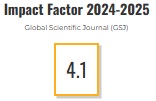
Peer-reviewed international research papers published open-access with EOI assignment and global indexing across engineering, computer science, environmental science, social sciences, and more.
This research focuses on exploring the effect of different pricing strategies on the Omani market. The main objective of the research are to identify the most common pricing strategies used in the Omani market, to analyze the relationship between the price change and consumer purchase intentions, to evaluate the impact of “price quality” perception on consumer brand loyalty and to determine how demographic factors influence a consumer’s sensitivity to price. In addition to that, the research methodology of the topic and report is positivist philosophical, and the purpose of the research is descriptive research. The researchers have collected the data from almost 70 different random people to represent the Omani market from different demographics through a questionnaire survey. The findings of the survey have shown that the pricing strategies influence consumer behavior in the Omani market significantly. The most commonly used strategies in the market have been identified as Discounts, Seasonal promotions and competitive pricings and were found to attract the customers effectively. It was revealed through the study that the consumers are very sensitive to the price changes as low prices encourage purchasing and an increase discouraging it. Furthermore, it was found that fair pricing and the perception of quality were positively influential to brand loyalty and consumer trust. To conclude, demographic factors such as the income, age and the education were shown to affect the consumers’ elasticity as well. The research has provided several recommendations to improve pricing strategies for businesses to help with decision making. Finally, future research can focus more on a larger sample to cover more of the Omani market in different areas.
This study addressed the environmental and economic strains caused by inefficient domestic plastic disposal by evaluating the impact of household participation in plastic waste management on local economic development in the Kamembe, Gihundwe, and Gitambi sectors of Rusizi District, Rwanda. Utilizing a mixed-methods research design, primary data were gathered from a statistically representative sample of 402 households alongside environmental officers, administrative staff, and waste collection companies, and analyzed using descriptive and inferential statistics. Descriptive results revealed strong communal engagement in plastic reduction (Mean = 3.76), Umuganda cleanup participation (Mean = 3.70), and structured disposal (Mean = 3.73), though source segregation emerged as a behavioral bottleneck (Mean = 3.54). Economically, high sanitation costs strain household budgets (Mean = 1.12), yet green initiatives like informal plastic trading and public works provide critical livelihood opportunities (Mean = 3.2). Inferentially, Pearson correlation confirmed a strong positive relationship (r = 0.742, p < 0.01). Ordinary least squares regression proved that plastic waste management practices significantly predict local economic development (Y = 0.845 + 0.712X, t = 19.80, p < 0.001), accounting for 55.1% of its total variance (R2 = 0.551, Adjusted R2 = 0.549), supported by a robust ANOVA model (F (1, 400) = 392.18, p < 0.001). In conclusion, active household participation in structured plastic management is a powerful, statistically sound catalyst for regional economic growth, reducing municipal costs while generating green jobs. It is recommended that local governments strictly enforce municipal by-laws mandating source segregation to fully optimize the local circular economy.
Abstract:
Physical education plays a vital role in promoting personal and community well-being by encouraging students to develop healthy attitudes, positive behaviors, and lifelong participation in physical activity. As an essential component of the educational experience, it contributes to physical fitness, muscle strength, disease prevention, academic achievement, and the development of self-esteem and social skills. Furthermore, physical education helps students recognize the importance of maintaining a balanced lifestyle that supports both physical and mental health. Most contemporary physical education programs adopt a holistic approach, focusing on the overall development of individuals. This study aims to explore students’ perceptions of the health benefits of physical education within the university context. Data were collected through interviews with first-year students from the Faculty of Linguistics and Humanities during the 2025–2026 academic year. The findings are expected to provide valuable insights into the role of physical education in enhancing students’ health, well-being, and long-term quality of life.
Keywords: Active living, Physical education, students’ health, and strategies.
This study examined the impact of agroforestry practices on the ecological and socio-economic status of communities in Rutsiro District, Western Province of Rwanda. The research was conducted in Musasa and Boneza Sectors between 2024 and 2026, using a mixed-methods approach. Quantitative data were collected from 399 farmers through structured questionnaires, while qualitative data were obtained through key informant interviews and field observations. Data were analyzed using descriptive statistics, Pearson correlation, and regression analysis with SPSS version 28. Findings revealed that agroforestry trees are used mainly for fuelwood (82.1%), construction materials (65.8%), and soil fertility improvement (54.3%), though adoption remains constrained by limited land availability (55.1%) and lack of quality seedlings (47.6%). Ecologically, the most reported benefits were soil fertility improvement (84.5%), soil erosion control (78.7%), and climate regulation (74.9%). Socio-economically, 72.9% of farmers reported significant livelihood improvement after adopting agroforestry. Pearson correlation confirmed a strong positive relationship between agroforestry practices and the ecological and socio-economic status of the community (r = 0.721, p = 0.000), with regression analysis showing that agroforestry practices explain 52.0% of the variation in community outcomes (R² = 0.520, B = 0.717, p = 0.000). The study concluded that agroforestry practices significantly improve environmental sustainability and community livelihoods, making them an effective strategy for sustainable rural development in Rutsiro District. The study recommends strengthening extension services, improving access to quality seedlings, and promoting space-efficient agroforestry models suited to smallholder farm sizes.
Keywords: Agroforestry practices, Ecological sustainability, Livelihood improvement, Smallholder farmers, Rutsiro District
This article studies Animal Farm by George Orwell in relation to postcolonial African political realities. It focuses on how power works after independence and how it can change form without truly disappearing. The main ques-tion is how a European political story about animals can help us understand political life in Africa after colonial rule, especially where hopes of freedom sometimes turn into new forms of control and inequality.
The study uses a qualitative and theoretical approach based on reading and interpreting texts. It is not based on numbers or field surveys. Instead, it relies on a careful review of academic literature and critical theories, especial-ly postcolonial theory. The analysis brings together ideas from thinkers such as Frantz Fanon, Ngũgĩ wa Thiong’o, Chinua Achebe, and Achille Mbembe, along with Orwell’s novel, to better understand how power, language, and ideology work in society.
The article shows that in both Animal Farm and some postcolonial African contexts, power often follows a similar pattern. A revolution or liberation begins with strong promises of equality and justice, but over time, a small group can take control and create new forms of domination. The study also highlights that language plays an important role in this process. Those in power can change words, rewrite history, and shape how people understand reality.
However, the article also recognizes an important limitation. African political experiences are not all the same, and they should not be reduced to one simple model. Each country has its own history and political path. Therefore, Animal Farm should be seen only as a symbolic tool that helps us think about power, not as an exact picture of African politics. The main conclusion is that Animal Farm is still very relevant today because it helps us under-stand how power can change form but continue to exist. It also shows how literature can help us reflect on real political and social issues in different parts of the world.
Dans le contexte de l'éducation de base en RDC, cette recherche analyse l'association entre les caractéristiques socioprofessionnelles des chefs d'établissement et le rendement des élèves de 8e année en français. À travers une méthodologie quantitative portant sur 28 écoles à Bunia, l'étude met en évidence que le leadership scolaire, bien qu'indirect, joue un rôle déterminant dans la performance des élèves. Les analyses montrent que le sexe, le cursus scolaire et l'expérience professionnelle des chefs d'établissement sont des variables significatives.
Contrairement à certaines théories classiques, les résultats indiquent que les grands établissements enregistrent des performances supérieures, tandis que les ressources matérielles ne garantissent pas à elles seules une amélioration des acquis si elles ne sont pas soutenues par un leadership orienté vers l'apprentissage.
L'étude conclut sur la nécessité de professionnaliser la gestion scolaire en mettant l'accent sur la vision éducative et l'accompagnement pédagogique plutôt que sur des indicateurs purement structurels ou académiques.
ABSTRACT
Traditional mining activities are widely recognized as significant contributors to freshwater ecosystem degradation, particularly in developing countries where artisanal mining is often conducted with limited environmental regulation. This study assessed the seasonal and spatial impacts of traditional mining on the physicochemical water quality of the Gasumo River in Ngororero District, Rwanda. Water samples were collected from upstream, midstream, and downstream locations during both dry and rainy seasons. Key physicochemical parameters analyzed included pH, turbidity, total suspended solids (TSS), total dissolved solids (TDS), biochemical oxygen demand (BOD₅), chemical oxygen demand (COD), total nitrogen (TN), total phosphorus (TP), iron (Fe), and zinc (Zn), following standard APHA procedures. Water quality status was evaluated using the Canadian Council of Ministers of the Environment Water Quality Index (CCME-WQI), and statistical analysis was performed using ANOVA at p < 0.05. Results revealed strong spatial and seasonal variability in water quality parameters, with turbidity, TSS, TP, and TN significantly increasing during the rainy season due to enhanced runoff and sediment mobilization. Elevated concentrations of Fe and Zn were observed in midstream and downstream sections, indicating the direct influence of mining activities. CCME-WQI results classified upstream water quality as fair (79.09), while midstream (29.25) and downstream (35.10) were categorized as poor. The study concludes that traditional mining significantly deteriorates river water quality in the Gasumo River, particularly during rainy seasons. Strengthened environmental monitoring, sediment control measures, and sustainable mining practices are recommended to protect freshwater ecosystems.
The teaching profession in Sri Lanka has undergone a significant gender transformation, characterized by the increasing predominance of female teachers. This phenomenon, commonly referred to as the feminization of the teaching profession, has generated considerable debate regarding its implications for student education and school effectiveness. The present study investigated the perceived educational consequences of teacher gender imbalance from the perspectives of students, parents, and school administrators. A mixed-methods de-scriptive research design was employed, integrating quantitative and qualitative approaches. The sample com-prised 100 Grade 9 students, 20 parents, 15 teachers, and 5 school principals selected from government schools in the Sri Jayewardenepura Educational Zone. Data were collected through questionnaires and semi-structured interviews and analysed using descriptive statistics, independent-samples t-tests, and thematic analysis. The findings revealed that teacher gender is not perceived as a direct determinant of students’ aca-demic achievement. Instead, teaching quality, subject knowledge, communication skills, and professional commitment were identified as the primary factors influencing educational outcomes. However, gender-related differences were evident in classroom practices and school management. Female teachers were per-ceived as more approachable and supportive, while male teachers were considered more effective in maintain-ing classroom discipline. Parents expressed a strong preference for female teachers in relation to child protec-tion and moral development but also emphasized the importance of gender diversity for students’ holistic de-velopment. School administrators highlighted challenges associated with the feminization of teaching, includ-ing a shortage of male role models and difficulties in managing discipline and extracurricular activities. The study concludes that although the feminization of teaching does not directly affect academic achievement, it has important implications for classroom dynamics, student development, and school administration. The findings underscore the need for policies that promote a more balanced gender representation in the teaching profession.
This article outlines the process of collective bargaining and the ways in which labor conflicts are resolved in the Brazilian food service sector. The case study of the Restaurant, a chain of restaurants in Brazil, and the Rio de Janeiro Syndicate, a union of workers in the sector in Rio de Janeiro, is used to examine the interests of the parties involved in the negotiations, to define a Zone of Possible Agreement (ZOPA) and to follow the negotiations that were conducted in order to reach a cooperative solution to the conflict. The article describes how structured dialogue, concessions, and mechanisms of trust were used to resolve conflicts between the parties without resorting to the courts. The article also considers the value of collective bargaining in reconciling organizational efficiency with workers' rights. The case study examines managers' decisions, unions' work, and strategies used to prevent conflict in the food service sector.
Cette étude analyse l'incidence du coupage sur la pratique du journalisme radio et sur la sélection des sources d'information dans la ville de Bunia. Le coupage, entendu comme une gratification financière ou matérielle remise au journaliste par une source d'information après une couverture médiatique, constitue l'une des préoccupations majeures du secteur médiatique congolais. Cette pratique soulève des interrogations sur l'indépendance rédactionnelle, l'objectivité de l'information et la crédibilité des médias.
La recherche repose sur une approche quantitative fondée sur l'administration de questionnaires auprès de 48 journalistes des radios locales de Bunia et de 150 auditeurs répartis dans les trois communes de la ville. L'échantillonnage aléatoire simple a été utilisé pour la sélection des participants.
Les résultats révèlent que l'ensemble des journalistes enquêtés déclarent avoir déjà reçu le coupage. Les principales causes identifiées sont la faible prise en charge des journalistes par les entreprises de presse (85,42 %), l'amateurisme professionnel (8,33 %) et les difficultés socio-économiques. Les répondants estiment majoritairement que cette pratique entraîne une perte de neutralité des médias (87,50 %). Bien que 64,6 % des journalistes affirment sélectionner leurs sources principalement en fonction de leur lien avec le sujet traité, une proportion non négligeable reconnaît l'influence des avantages financiers dans le choix des interlocuteurs.
L'étude conclut que le coupage constitue un facteur de fragilisation de l'éthique journalistique et de la crédibilité médiatique à Bunia. Elle re-commande une amélioration des conditions de travail des journalistes, un renforcement de la formation professionnelle et une meilleure application des règles déontologiques.
The role of translation in second language teaching has remained one of the most debated issues in applied linguistics and language pedagogy. While communicative teaching approaches encourage maximum exposure to the target language, many scholars continue to argue that strategic use of learners’ first language contributes positively to comprehension, learner confidence, and academic achievement [1]. This paper critically examines the effectiveness of translation in second language acquisition, particularly within French language classrooms in United Arab Emirates international schools.
The study combines theoretical perspectives from second language acquisition research with practical classroom observations from Grades 5–10 French beginner and intermediate classes. Particular attention is given to vocabulary acquisition, grammar instruction, classroom interaction, learner psychology, intercultural understanding, and differentiated instruction within multilingual educational settings.
The paper argues that translation should not be viewed merely as a traditional or outdated teaching technique, but rather as a pedagogical scaffold that facilitates meaningful communication and cognitive understanding when used appropriately. Classroom examples demonstrate that translation assists students in connecting unfamiliar linguistic structures with prior knowledge, reducing anxiety and increasing participation among learners from diverse linguistic backgrounds.
The findings further suggest that translation becomes especially effective in multilingual educational systems such as the UAE, where students constantly navigate between Arabic, English, and additional foreign languages. However, the paper also acknowledges potential limitations of excessive translation, including reduced target-language immersion and dependence on the first language.
Ultimately, this research concludes that translation, when integrated strategically within communicative and student-centered methodologies, significantly enhances second language learning outcomes in multicultural classrooms.
Natural language processing (NLP) and speech technologies that improve the accessibility of speech and language for people with disabilities continue to revolutionize their world and have redefined the ways that assistive technologies can be developed and implemented. Yet the share of NILT technology benefits across the global arena is significantly lower in traditional and indigenous languages of Africa, such as Kikuyu. This difference – referred to as the ‘NLP gap’– poses real challenges for multilingual and low-resource technology development.
Using publicly available corpora, we investigate the performance of current state-of-the-art multilingual automatic speech recognition models on the Kikuyu language and its use for disability support applications. By applying well-known evaluation methods based on low-resource ASR scenarios, model performance is assessed using conventional Word Error Rate (WER) and BLEU scores.
However, our findings highlight the considerable limitations of existing multilingual ASR models in their ability to accurately transcribe Kikuyu speech, in particular because of the subtle morphology of the noun class and tonal variation in this language. This has direct implications for speech-driven assistive technologies for the Kikuyu-speaking population.
We stress the urgent need to develop annotated Kikuyu speech corpora and call for a disability-oriented research direction in future ASR work on indigenous languages, on the basis of our contributions towards solving the NLP gap in African languages, and for improving the accessibility for persons with disabilities to speech technologies.
Cette étude s’inscrit dans le cadre d’une recherche plus large sur les connaissances et les représentations de l’éducation sexuelle chez les jeunes de Mbanza-Ngungu, dans un contexte de mutation des cadres sociaux et culturels. Les approches théoriques mobilisées, notamment celles inspirées des travaux d’Émile Durkheim et Pierre Bourdieu, permettent de comprendre les mécanismes de transmission et de transformation des normes sociales. L’étude adopte une approche quantitative avec une collecte de données effectuée à l’aide d’un questionnaire structuré ; l’échantillon a été déterminé selon les normes de Daryle W. Morgan, garantissant la représentativité statistique. L’analyse repose sur des statistiques descriptives (fréquences, moyennes, écarts-types) et inférentielles (test t). Les résultats révèlent une faible connaissance des formes traditionnelles d’éducation sexuelle, liée à une diminution de la transmission intergénérationnelle au sein des familles. Par ailleurs, l’école et les canaux modernes apparaissent comme les principales sources d’information, traduisant une transformation progressive des modes d’apprentissage. L’étude met également en évidence une évolution des représentations des jeunes, de plus en plus influencées par la mondialisation et les médias. Cette situation contribue à un affaiblissement des référents culturels traditionnels au profit de modèles modernes. En définitive, les résultats confirment une reconfiguration des pratiques et des perceptions de l’éducation sexuelle, marquée par une tension entre tradition et modernité.
Kegiatan Pengabdian kepada Masyarakat (PKM) bertujuan untuk meningkatkan pemahaman peserta didik mengenai nilai-nilai emansipasi perempuan melalui seminar Hari Kartini berbasis pembelajaran mendalam di SMP Negeri 3 Selong. Kegiatan dilaksanakan menggunakan pendekatan partisipatif dan interaktif melalui penyampaian materi, diskusi kelompok, tanya jawab, dan refleksi. Data kegiatan diperoleh melalui observasi, dokumentasi, serta respons peserta didik selama kegiatan berlangsung dan dianalisis secara deskriptif kualitatif. Hasil kegiatan menunjukkan bahwa peserta didik memberikan respons positif dan terlibat aktif selama seminar berlangsung. Peserta didik mulai memahami pentingnya kesetaraan gender, sikap saling menghargai antara laki-laki dan perempuan, serta peran perempuan dalam kehidupan sosial dan pendidikan. Penerapan pembelajaran mendalam dalam kegiatan seminar juga membantu peserta didik membangun pemahaman yang lebih reflektif, kontekstual, dan bermakna melalui proses diskusi dan refleksi terhadap pengalaman sehari-hari. Dengan demikian, seminar Hari Kartini berbasis pembelajaran mendalam dapat menjadi salah satu alternatif kegiatan edukatif dalam menanamkan nilai emansipasi perempuan dan kesetaraan gender di lingkungan sekolah.
Objective: This paper examines how a strong and responsible opposition contributes to democratic resilience in Africa. Using Ghana’s 2025/2026 parliamentary session as a case study, it asks whether institutionalized opposition rights, cross‑party relationships, and alternation in power stabilize democracy.
Methodology: The study combines a systematic review of parliamentary records (Hansard, motions, media statements) with public opinion surveys across seven regions of Ghana (N=400, including 300 randomly selected citizens and 100 purposively sampled professionals). Comparative analysis using V‑Dem and Mo Ibrahim IIAG data situates Ghana within continental trends.
Findings: Ghana has experienced four peaceful transfers of power since 1992 (2001, 2009, 2017, 2025), creating an “opposition in waiting” that incentivizes accountable governance. Respectful cross‑party leadership relationships, from Hon. Ato Forson (“learn from me and be good”) to Hon. Ayariga (“diplomacy at an all‑time best”) prevent parliamentary gridlock. Citizens view the opposition as the only legal bridge between government and dissenting citizens. Weakening opposition voices correlates with coup risk; protecting opposition rights lowers incentives for unconstitutional action.
Conclusions: Ruling governments should codify opposition leadership, guarantee independent funding, and ensure media access. The African Union and ECOWAS should adopt a protocol on opposition rights and establish a parliamentary research service for vulnerable democracies. Institutionalizing responsible oppositions across Africa is a prerequisite for democratic resilience, not a threat.
The rapid expansion of Internet of Things (IoT) ecosystems has intensified concerns over device authentication, data privacy, identity spoofing, scalability and single points of failure. This article condenses a doctoral study that developed a blockchain-based decentralized identity management framework for IoT networks. The study used a mixed-methods, descriptive and design-oriented approach, drawing on questionnaire data from 92 valid respondents across IoT administration, development, blockchain practice and industry roles, supported by literature-based technical analysis.
Findings showed that centralized identity management remains dominant, while concerns about unauthorized access, data privacy, device authentication and scalability are widespread. Respondents also reported strong interest in decentralized identity, although practical blockchain adoption remains limited. The proposed MobiChain IoT Identity Framework uses decentralized identifiers, verifiable credentials, edge-assisted verification, consortium blockchain anchoring, revocation registries, lightweight cryptography and short-lived capability tokens. Sensitive identity attributes are held off-chain, while the blockchain maintains trust anchors, public keys, policy hashes and audit events. The article concludes that blockchain can strengthen IoT identity management when used selectively as a trust, verification and audit layer rather than as a storage layer for all identity data.
Cette étude analyse les effets des financements de la Banque mondiale sur le développement socioéconomique en République démocratique du Congo entre 2014 et 2024. L’objectif principal est d’évaluer l’influence des appuis financiers extérieurs sur l’amélioration des conditions socioéconomiques du pays.
La méthodologie repose sur une approche quantitative fondée sur la méthode des moindres carrés ordinaires (MCO). Les données utilisées proviennent principalement de la Banque mondiale, du Programme des Nations Unies pour le Développement et de la Banque Centrale du Congo. L’Indice de Développement Humain a été retenu comme indicateur du développement socioéconomique, tandis que l’appui budgétaire, les réformes financées, le solde budgétaire et la gouvernance efficace constituent les variables explicatives du modèle.
Les résultats montrent que les financements de la Banque mondiale exercent globalement un effet positif mais faiblement significatif sur le développement socioéconomique en République démocratique du Congo. L’étude révèle également que plusieurs contraintes structurelles réduisent l’efficacité des financements extérieurs, notamment les difficultés de gouvernance, les retards dans l’exécution des projets publics, les problèmes de rétrocession financière et l’insécurité persistante dans l’Est du pays.
Cette recherche conclut que les financements de la Banque mondiale peuvent contribuer au développement socioéconomique de la RDC, mais leur efficacité dépend largement de la qualité des institutions publiques, de la stabilité sécuritaire et de la gestion des ressources publiques.
This study examined the impact of fertilizer blending practices on agricultural productivity among rice farmers' cooperatives in Bugesera District, Rwanda. Specifically, the study aimed to assess the current fertilizer blending practices used by rice farmers' cooperatives; evaluate the types and quantities of fertilizers applied, including their cost-effectiveness and contribution to profitability; assess the level of rice crop productivity among cooperatives; and examine the relationship between fertilizer blending practices and rice crop productivity outcomes. A descriptive cross-sectional research design employing a mixed-methods approach was adopted. A sample of 319 smallholder rice farmers and 11 key informants was selected using appropriate sampling techniques. Data was collected through questionnaires, interviews, observations, and secondary sources, then analyzed using descriptive and inferential statistics in SPSS, while qualitative data were analyzed thematically. The study found that all 13 cooperatives exclusively use Blended NPK 17-17-17, sourced exclusively through Rwanda Fertilizer Company (RFC) the sole authorized blended fertilizer supplier operating in Bugesera District combined with Urea as their standard fertilizer practice. Overall fertilizer blending practice quality was moderate (composite mean = 3.35/5.0), with the lowest scores for soil testing-based adjustments (M = 2.78), record-keeping (M = 2.65), and micronutrient awareness (M = 2.91). Inferential analysis established strong positive associations between fertilizer blending practice dimensions and rice yield: Pearson correlations ranged from r = 0.64 to r = 0.73 (all p < 0.01), and multiple regression explained 67% of yield variance (R² = 0.67, F(5,313) = 127.42, p < 0.001), with nutrient composition as the strongest predictor (β = 0.38). Chi-square analyses confirmed significant categorical associations between education level and nutrient awareness (χ² = 47.83, p < 0.001), fertilizer type combination and adherence to recommended rates (χ² = 32.53, p < 0.001), and blending practice quality and yield level achievement (χ² = 54.67, p < 0.001, Gamma = 0.612). The study concludes that fertilizer blending practice improvement particularly upgrading micronutrient-enhanced blends, implementing split stage-specific Urea applications, and strengthening extension-guided decision-making represents the most accessible and impactful lever for closing the productivity gap in Bugesera District’s cooperative rice systems. The study recommends that MINAGRI enhance the Smart Nkunganire platform with soil-specific blending decision-support tools.
Abstract
The elderly, the custodian of societal wisdom, are invaluable resources in any human social setting. Every society prioritizes the health of the elderly because of their vulnerability. However, they have different healthcare options for their healthcare choices. This invariably affects their health-seeking behaviour, and need to be carefully examined. The objectives of this study is to assess the nature of health delivery system on health seeking behaviour among the elderly in Federal Capital Territory, to examine the factors and hinderances faced by the elderly in assessing health and the measures to address these issues. Data was gathered through questionnaire and Key Informant Interview Guide and the study utilized the Health Belief Model as the major theory. 384 questionnaires were administered and 376 retrieved, which was used for the study. Results show that orthodox, traditional and spiritual medical solutions are available healthcare options for the elderly in FCT. However, even though the elders prefer professional healthcare services, they utilize the alternative healthcare services more in the FCT due to economic, socio-cultural and religious factors such as inability to foot medical bills of professional healthcare providers, inadequate education, religious beliefs and faith in God as their healer, strong believe in the efficacy of traditional medicine, long distance to place of orthodox healthcare services and the availability of alternative ones closer to their place of residence, and inadequate transportation system. Unfortunately, the government, NGOs and the private sector have not done anything significant to address the health needs of the elderly in FCT. The study, therefore, recommends, among others, that the government at all levels should come up with a healthcare policy that will be specifically designed to carter for the health needs of the elderly, including building of special homes for the elderly in Federal Capital Territory of Nigeria and provision of well equipped medical facilities in the homes; partnering with the media, both private and public, to embark on enlightenment campaign about the need for the elderly to rely on orthodox medical solutions; and partnering with NGOs and private sector to ensure that funds are generated to provide monthly stipends to the elderly as well as provision of means of transportation that, will convey them to professional healthcare facilities during emergencies.
Abstract
The elderly, the custodian of societal wisdom, are invaluable resources in any human social setting. Every society prioritizes the health of the elderly because of their vulnerability. However, they have different healthcare options for their healthcare choices. This invariably affects their health-seeking behaviour, and need to be carefully examined. The objectives of this study is to assess the nature of health delivery system on health seeking behaviour among the elderly in Federal Capital Territory, to examine the factors and hinderances faced by the elderly in assessing health and the measures to address these issues. Data was gathered through questionnaire and Key Informant Interview Guide and the study utilized the Health Belief Model as the major theory. 384 questionnaires were administered and 376 retrieved, which was used for the study. Results show that orthodox, traditional and spiritual medical solutions are available healthcare options for the elderly in FCT. However, even though the elders prefer professional healthcare services, they utilize the alternative healthcare services more in the FCT due to economic, socio-cultural and religious factors such as inability to foot medical bills of professional healthcare providers, inadequate education, religious beliefs and faith in God as their healer, strong believe in the efficacy of traditional medicine, long distance to place of orthodox healthcare services and the availability of alternative ones closer to their place of residence, and inadequate transportation system. Unfortunately, the government, NGOs and the private sector have not done anything significant to address the health needs of the elderly in FCT. The study, therefore, recommends, among others, that the government at all levels should come up with a healthcare policy that will be specifically designed to carter for the health needs of the elderly, including building of special homes for the elderly in Federal Capital Territory of Nigeria and provision of well equipped medical facilities in the homes; partnering with the media, both private and public, to embark on enlightenment campaign about the need for the elderly to rely on orthodox medical solutions; and partnering with NGOs and private sector to ensure that funds are generated to provide monthly stipends to the elderly as well as provision of means of transportation that, will convey them to professional healthcare facilities during emergencies.
Cet article examine la dissonance cognitive vécue par les téléspectateurs des télénovelas latino-américainess à Mbanza Ngungu, en République Démocratique du Congo. À partir des données quantitatives recueillies auprès de 51 répondants, l’étude révèle une tension structurelle : alors que 51 % regardent les télénovelas quotidiennement, 92 % déclarent un inconfort important face aux scènes intimes. Les résultats montrent un rejet quasi unanime des valeurs sexuelles promues par ces programmes (moyenne 4,55/5 pour le choc culturel) et un attachement profond aux valeurs traditionnelles Bakongo (moyenne 4,51/5). Cet article démontre que l’exposition n’implique pas l’adhésion, mais génère au contraire des stratégies actives de réduction de la dissonance.
One of the most widely consumed fruits are grapes, owing to their antioxidant activities. This study aimed to assess the hepatoprotective effect of an aqueous extract of grape juice (Vitis vinifera) on paracetamol induced hepatotoxicity in mice. Liver toxicity was induced in male mice by oral administration of 300mg/kg paracetamol on the 15th day after the administration of aqueous extract and was com-pared to NAC. Aqueous extract of Vitis vinifera was administered orally at 250, 500 and 750 mg/kg doses, daily for a period of 14 days. AST, ALT, TBIL, ALB and ALP were measured to assess the effect of the extract on paracetamol-induced hepatotoxicity. The study also in-cluded histopathological examination. Paracetamol and V. vinifera (750mg/kg) caused chronic liver damage as indicated by significant (P < 0.05) increase in serum AST, ALT, ALP, and ALB. Vitis vinifera (250, and 500 mg/kg) caused significant (P<0.05) attenuation of elevated AST, ALT, ALP, and ALB in dose dependent manner which was comparable with that of NAC. Histopathological changes were compatible with the observed biochemical abnormalities. These results indicate that the aqueous extract of Vitis vinifera has significant protective effect against paracetamol-induced liver toxicity in male mice, due to its potent antioxidant activity.
Cette étude évalue l’effet de l’ouverture commerciale sur les exportations du café congolais en République Démocratique du Congo durant la période 2010-2024. Elle part du constat selon lequel, malgré les réformes de libéralisation commerciale engagées et les importantes potentialités agricoles du pays, les exportations du café demeurent relativement faibles et instables. L’objectif principal consiste à analyser l’influence de l’ouverture commerciale sur les performances exportatrices de la filière caféière congolaise.
Sur le plan méthodologique, l’étude adopte une approche quantitative fondée sur une posture positiviste et une logique hypothético-déductive. L’analyse économétrique par les moindres carrés ordinaires (MCO) a été utilisée afin d’examiner l’effet du taux d’ouverture commerciale, de la valeur ajoutée agricole, du taux de croissance du PIB et des indicateurs de gouvernance sur les exportations du café.
Les résultats obtenus montrent que l’ouverture commerciale exerce un effet positif mais statistiquement non significatif sur les exportations du café congolais. La valeur ajoutée agricole et le taux de croissance du PIB présentent également des effets positifs mais faibles. En revanche, les indicateurs de gouvernance apparaissent comme le principal facteur explicatif des performances exportatrices du café. Ces résultats mettent en évidence le rôle déterminant de la qualité institutionnelle dans la valorisation des avantages liés au commerce international.
L’étude conclut que l’ouverture commerciale ne constitue pas, à elle seule, une condition suffisante pour améliorer durablement les exportations du café en République Démocratique du Congo. Son efficacité dépend largement des capacités productives, de la gouvernance, des infrastructures et des politiques de soutien à la filière caféière.
Urban land management in cities with high population growth faces cadastral and administrative irregularities (overlapping parcels, duplicate titles, inconsistent boundaries) that fuel land conflicts and undermine territorial governance. This study proposes an integrated approach combining a spatial data warehouse (SDW) and unsupervised machine learning algorithms (DBSCAN and Isolation Forest) to automatically detect anomalies in urban subdivisions in the city-province of Kinshasa. A topological analysis layer (overlapping parcels, abnormal neighborhoods) is coupled with transactional and contextual indicators to produce a spatial irregularity index (SII) for prioritizing controls. The results highlight the complementarity of DBSCAN (spatial anomalies) and Isolation Forest (multivariate anomalies) and confirm the value of SDW for the consistency, traceability, and reproducibility of analyses. This approach provides an operational basis for a decision support system aimed at transparency and the reduction of land conflicts.
Au-delà de sa dimension strictement pathologique, la pandémie de Covid-19 s'est imposée comme une crise systémique majeure — à la fois sanitaire, économique et sociale — marquant durablement le début du XXIe siècle. Parallèlement au lourd bilan humain, les répercussions macroéconomiques et sociétales de ce choc ont profondément déstabilisé les dynamiques mondiales. Face à l'ampleur de ces turbulences, le Maroc s'est distingué par sa réactivité en déployant précocement un arsenal de dispositifs sanitaires, économiques, sociaux et fiscaux. C'est précisément sur cette composante fiscale que se concentre la présente recherche. Pour ce faire, notre démarche s'articule autour de trois axes fondamentaux : nous procéderons d'abord à une clarification conceptuelle de la notion de « crise » combinée à une perspective historique des grandes pandémies mondiales. Ensuite, à la faveur d'une recension rigoureuse de la littérature théorique, nous dresserons une analyse comparative entre les stratégies de riposte des autorités marocaines et celles adoptées au sein de la région MENA. Enfin, nous examinerons de manière approfondie l'efficacité de la politique fiscale marocaine en tant qu'instrument de régulation et de gestion face à ce choc pandémique.
Digital transformation, the massive adoption of cloud services, and the growth of cyber threats have made Identity and Access Management (IAM) one of the fundamental pillars of modern cybersecurity. At the same time, the evolution of Zero Trust architectures, the increasing use of federated authentication protocols, the challenges associated with remote identity proofing, and the regulatory requirements imposed by GDPR and international standards have significantly increased the complexity of protecting digital identities. This paper presents an integrated scientific analysis of eight studies related to IAM, covering authorization models such as RBAC, ABAC, and PBAC; Zero Trust architectures; auditing and traceability with SIEM; next-generation firewalls; OAuth 2.0, OpenID Connect, and SAML; remote identity proofing; and risk management in compliance with GDPR. The research demonstrates that hybrid approaches, combining strong authentication, contextual authorization models, continuous monitoring, and risk-oriented policies, represent the most effective paradigm for protecting digital identities in modern corporate environments.
Nutrition literacy has become an important factor in influencing the dieting
habits and health of people, especially the young adults who are facing
independent living and are making decisions regarding the foods they take. The study was carried out to investigate the determinants of nutritional literacy
that determine the eating behavior among 300 college students in Davao del
Norte State College. The quantitative correlational research design was used
in which case college students of Davao del Norte State College were
involved. Validated questionnaires, used to measure nutritional literacy and
eating behavior, were used to collect data and relationships and predictors
between variables were evaluated using appropriate statistical tools. The
findings showed a strong association between nutritional literacy and eating
behavior whereby the higher the level of nutritional literacy among students,
the more their eating behavior was observed to be healthy. Chosen areas of
nutritional literacy were discovered to have a considerable effect on certain
areas of eating behavior. Depending on the results, it is suggested that
universities and colleges should enhance nutrition education curricula and
inculcate nutrition literacy in student development programs to bring healthy
eating habits. Future scholars can carry out longitudinal or intervention-based
research studies and investigate other variables that can influence the
nutritional literacy and dietary habits of different students.
The urban expansion of Kinshasa is forcing the occupation of former landfill sites in the Funa plain (Yolo Sud IV district), which have been transformed into residential areas despite the presence of saturated organic horizons and shallow water tables. This study demonstrates that these landfill sites constitute "Urban Hydromechanical Reactors"—bio-chemo-hydro-mechanical systems that continuously modify the properties of the subsoil. The approach combines electrical resistivity tomography (ERT), dynamic penetration tests (DPT), oedometer analyses, and hydrogeology. The results show critical resistivities ( ρ < 10 Ω •m) related to leachate, very low dynamic resistances (Rd ≈ 0.1–0.8 MPa), high compression coefficients (0.45 < Cc < 0.65), and differential settlements reaching 35–45 cm. Hydraulic anisotropy (Kh/Kv ≈ 10–15) promotes horizontal flow and secondary consolidation. Leachates rich in sulfates and chlorides induce accelerated corrosion of the reinforcement. The article introduces the concept of urban geoethics and proposes a transition to predictive territorial geotechnics, with adapted solutions (vertical drains, geogrids, granular columns, stabilization with coffee bean ash) and the creation of a dynamic geotechnical GIS.
This study assesses the impact of road infrastructure on value creation for local firms in Tanganyika Province, focusing on indirect profitability effects. Drawing from a survey of 150 economic stakeholders (independent entrepreneurs, employees and students), the research demonstrates that deteriorating roads significantly impede local economic performance by inflating logistics costs and curtailing market and supplier access. While statistical tests do not consistently validate robust causal links, respondents’ perceptions reveal a strong association between infrastructure improvements and the emergence of business opportunities, job creation and enhanced competitiveness. The analysis draws on several corporate‑finance theoretical frameworks (transaction‑cost theory, shareholder value creation, trade‑off theory, agency theory) to highlight how road investments can generate positive externalities for local firms. The findings call for prioritizing targeted rehabilitation of key transport axes, strengthening public maintenance and using public‑private partnerships to optimize the socio‑economic return on infrastructure investment.
No papers found matching your search. Try a different keyword.
Published papers are indexed in
Submissions Open
See Your Research in the Next Edition
Join thousands of researchers published in GSJ. Submit your manuscript — peer review in 1–3 days, open access publication, EOI assignment, and global indexing across 150+ countries.